
July 26, 2024 · 3 min
Poison Ivy Dermatitis: How to Prevent and Treat It
I am a family physician and medical director of French origin, having completed my studies and practiced in France before settling in Quebec.
I am a family physician and medical director of French origin, having completed my studies and practiced in France before settling in Quebec. Today, I would like to talk to you about a common health problem, especially in the summer: poison ivy dermatitis.
What is Poison Ivy Dermatitis?
Poison ivy dermatitis is an allergic skin reaction caused by contact with poison ivy (Toxicodendron radicans). This plant contains an oily resin called urushiol, which causes intense skin irritation in most people. This reaction generally manifests as redness, itching, blisters, and sometimes even swelling.
How to Recognize Poison Ivy?
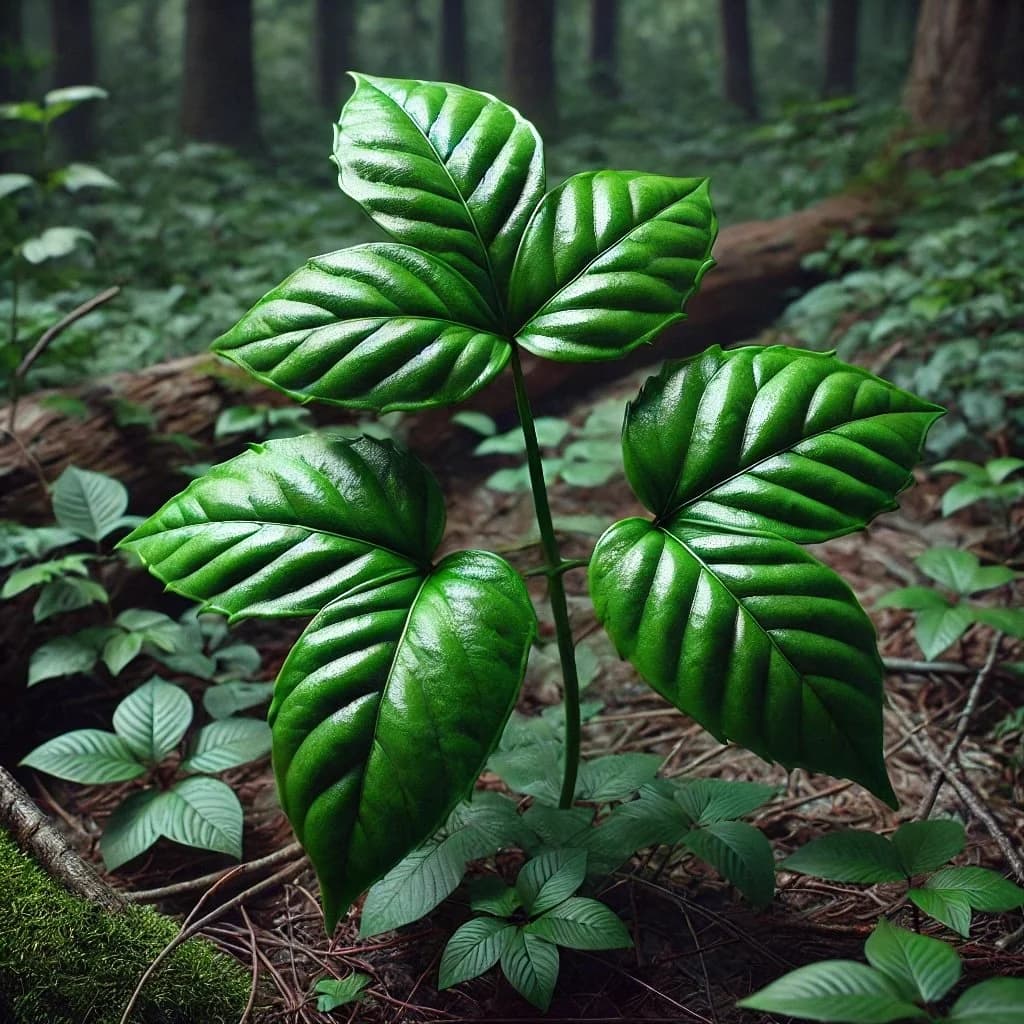
Poison ivy often grows in wooded or damp areas and is distinguished by its leaves grouped in threes. These leaves are glossy and can vary from green in the summer to reddish in the autumn. It is crucial to know this plant to avoid any accidental contact.
Symptoms of Poison Ivy Dermatitis
Symptoms generally appear within 12 to 48 hours following contact with urushiol, although in some people—particularly those who have been exposed before—symptoms can appear more quickly, sometimes within a few hours. Common signs include:
• Redness and skin rashes
• Intense itching
• Fluid-filled blisters
• Swelling of the affected areas
• Linear lesions, often resulting from contact with leaves and scratches
Prevention
The best way to prevent poison ivy dermatitis is to avoid contact with the plant. Here are a few tips:
• Learn to recognize poison ivy and avoid areas where it grows.
• Wear protective clothing, such as long sleeves and pants, when walking in high-risk areas.
• Immediately wash exposed skin and clothing after hiking or outdoor activities. Urushiol can remain active on clothing, shoes, and other objects for days or even weeks, which can lead to re-contamination if these items are not washed properly.
What to Do in Case of Contact?
If you think you have come into contact with poison ivy, follow these steps:
-
Immediately wash the affected area with soap and water to remove the urushiol.
-
Apply a corticosteroid cream to reduce inflammation and itching.
-
Take antihistamines to relieve severe itching.
-
If blisters form, avoid popping them to prevent infection.
When to Consult a Doctor?
You should consult a doctor if:
• The reaction is severe or covers a large part of your body.
• Symptoms do not improve after a few days of home treatment.
• You experience signs of infection, such as pus, increased pain, redness, or fever.
Conclusion
Poison ivy dermatitis can be extremely uncomfortable, but with the right prevention and treatment measures, you can reduce the risk of developing this allergic reaction. If in doubt or if symptoms persist, do not hesitate to consult us by booking an appointment on our website allodocteur.ca.