
July 25, 2024 · 5 min
Lyme Disease and Tick Bites: What You Need to Know in Quebec
Lyme disease is a bacterial infection transmitted by tick bites. As a family physician and medical director of French origin,
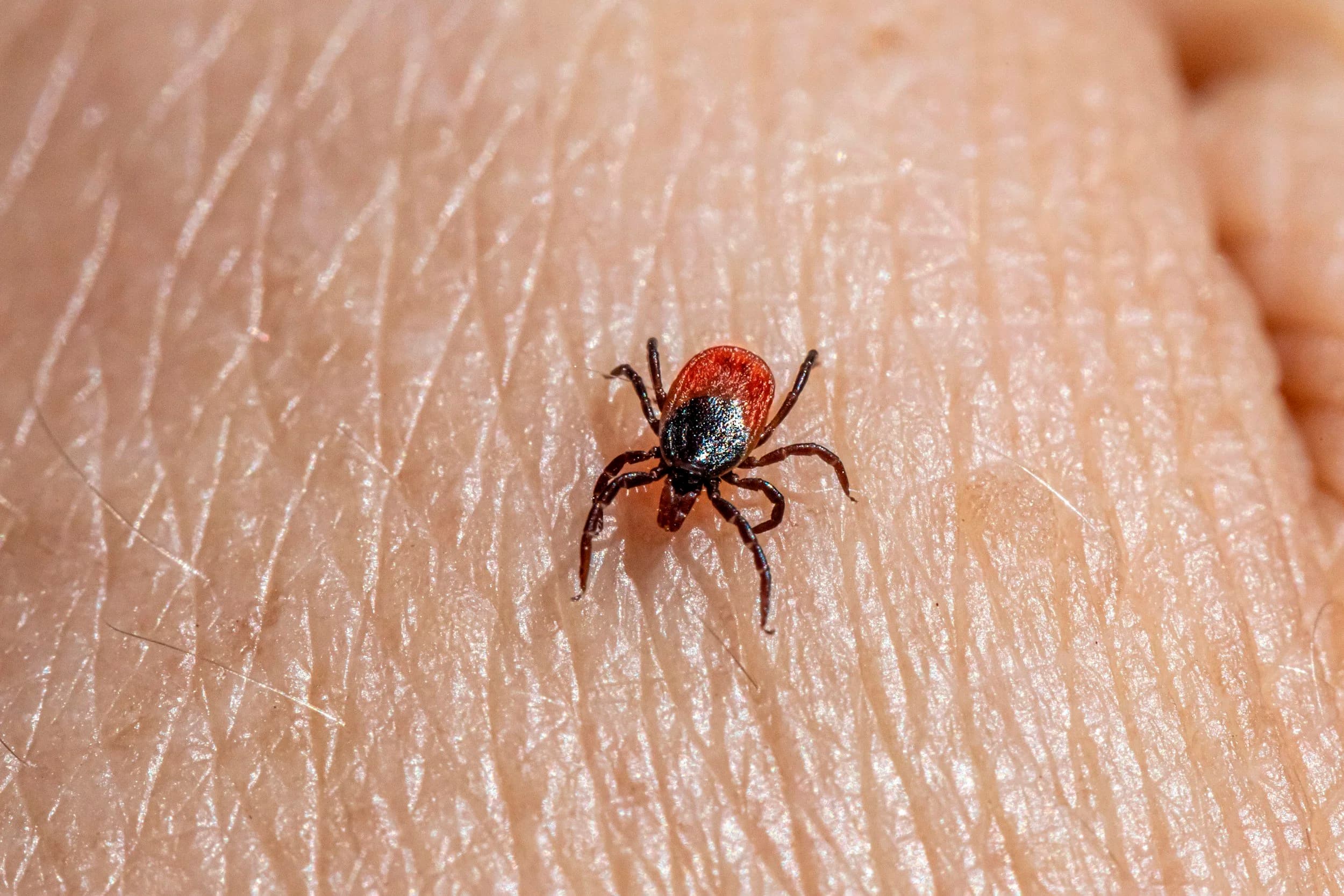
Lyme disease is a bacterial infection transmitted by tick bites. As a family physician and medical director of French origin, having completed my studies and practised in France before settling in Quebec, I wish to inform you about the prevention and treatment measures for this disease here in Quebec.
What is Lyme Disease?
Lyme disease is caused by the bacterium Borrelia burgdorferi, transmitted through the bite of certain ticks. The ticks most commonly responsible for this disease in Quebec are black-legged ticks, also known as deer ticks.
Endemic Areas in Quebec
Certain regions of Quebec are more affected by the presence of ticks that can transmit Lyme disease. Endemic areas include:
• Montérégie
• Estrie
• Outaouais
• Centre-du-Québec
• Mauricie
• Montréal
• Laval
These regions have habitats conducive to ticks, such as forests, grassy areas, and wetlands.
Symptoms of Lyme Disease
The symptoms of Lyme disease can vary and appear in several phases:
- Early Phase (days to weeks after the bite):
• Target-shaped redness around the bite (erythema migrans)
• Fever, chills
• Fatigue
• Muscle and joint pain
• Headaches
- Intermediate Phase (weeks to months after the bite):
• Additional skin rashes
• More severe joint pain
• Cardiac problems (palpitations, heart block)
• Neurological disorders (facial paralysis, meningitis)
- Late Phase (months to years after the bite):
• Severe arthritis
• Chronic neurological disorders
Diagnosis of Lyme Disease
The diagnosis of Lyme disease is based on several elements:
• History of Tick Bites: Mention any recent tick bites or visits to high-risk areas to your doctor.
• Clinical Symptoms: Clinical signs such as erythema migrans are key indicators.
• Blood Tests: Serological tests can detect antibodies against the Borrelia burgdorferi bacterium. However, these tests may be negative in the first few weeks of infection.
Preventing Tick Bites
Prevention is essential to reduce the risk of contracting Lyme disease. Here are some measures to take:
• Protective Clothing: Wear long clothing, socks, and closed shoes when walking in forests or grassy areas.
• Repellents: Use repellents containing DEET or permethrin on the skin and clothing.
• Body Inspection: After every outing in nature, thoroughly inspect your body and that of your pets for the presence of ticks.
How Long Must the Tick Remain Attached?
To increase the risk of transmission of the bacterium responsible for Lyme disease, the tick generally must remain attached to the skin for at least 24 to 36 hours. The sooner the tick is removed, the lower the risk of contracting the disease.
What to Do in Case of a Tick Bite?
If you find a tick attached to your skin, follow these steps:
- Tick Removal:
• Use fine-tipped tweezers to grasp the tick as close to the skin as possible.
• Pull upward with steady, even pressure to remove the tick without crushing it.
• Clean the bite area with rubbing alcohol or soap and water.
- Symptom Monitoring:
• Note the date of the bite.
• Monitor for the appearance of symptoms over the following weeks.
- Medical Consultation:
• Consult a doctor if you develop symptoms of Lyme disease.
• A post-consultation follow-up may be requested by the doctor to ensure there are no complications.
Post-Exposure Prophylaxis
Since 2017, post-exposure prophylaxis (PEP) with a dose of doxycycline may be offered following a tick bite occurring in Quebec, under certain conditions. The Institut national de santé publique du Québec (INSPQ) identifies the affected sectors each year using acarological or human surveillance data.
Considering that the data supporting the presumed efficacy of PEP are judged to have a low level of scientific evidence, and that the results are not necessarily generalisable to the Quebec context, INESSS recommends that the offer of PEP be made within a shared decision-making process between the patient and the healthcare professional. When the tick bite occurred in a geographical sector identified by the INSPQ, the offer of PEP may be considered when the following conditions are met:
• Ability to objectively confirm it was a tick (tick remained attached to the skin or was removed and collected in a container, photographed, or well-described)
• Absence of symptoms suggestive of Lyme disease
• A delay of 72 hours or less between the removal of the tick and the presumed time of taking the PEP
• Tick attachment to the skin for 24 hours or more
If these criteria are met, a single dose of doxycycline (200 mg for adults, 4 mg/kg for children over 8 years old, with a maximum dose of 200 mg) may be administered.
Treatment of Lyme Disease
Early treatment of Lyme disease generally involves antibiotics for a few weeks. Common options include:
• Doxycycline: often prescribed for adults and children over 8 years old.
• Amoxicillin: an alternative for pregnant or breastfeeding women and young children.
• Cefuroxime axetil: another option for those who cannot take doxycycline or amoxicillin.
The earlier treatment begins, the better the chances of a complete recovery. More advanced cases may require longer treatment and additional care to manage complications.
Conclusion
Lyme disease is a serious infection but it is preventable and treatable if managed quickly. By remaining vigilant and taking preventive measures, you can significantly reduce your risk of contracting this disease. Do not hesitate to consult a healthcare professional if you have concerns or questions about tick bites and Lyme disease.
For any medical consultation or question, you can contact us and book an appointment on our website AlloDocteur.ca. We offer home doctor visits in Montréal starting at $279 depending on the complexity and location of the consultation.