
July 27, 2024 · 3 min
Understanding and Treating Acne: Advice from a Family Physician
Acne is a common skin condition affecting millions of people worldwide, primarily adolescents, but also adults. As a
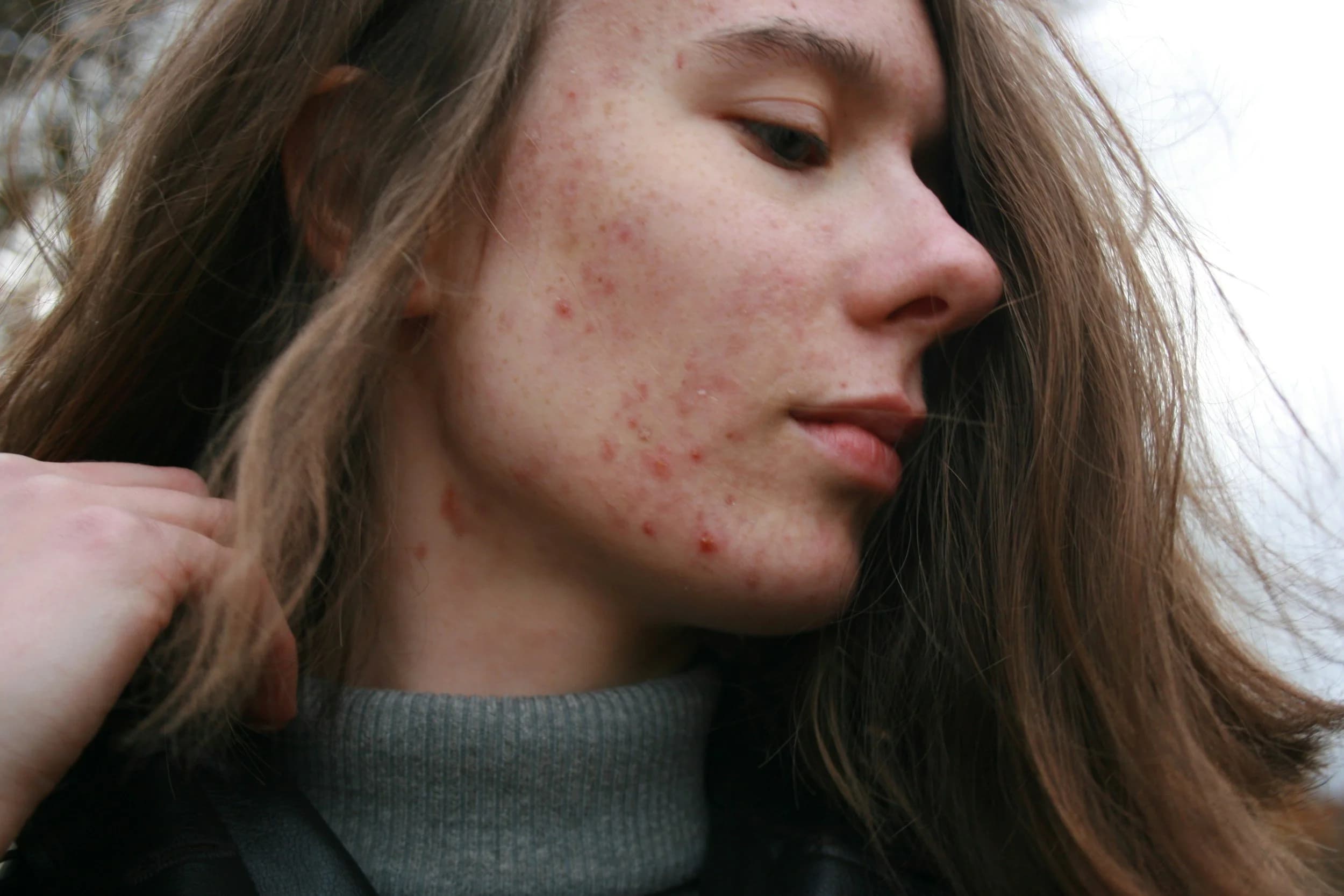
Acne is a common skin condition affecting millions of people worldwide, primarily adolescents, but also adults. As a family physician and medical director of French origin, having completed my studies and practised in France before settling in Quebec, I wish to share some information and advice to better understand and treat this condition.
What is acne?
Acne manifests as the appearance of pimples, blackheads, cysts, and nodules on the face, back, neck, chest, and sometimes other parts of the body. It is caused by several factors, including:
• Overproduction of sebum, an oily substance produced by the sebaceous glands.
• An accumulation of dead skin cells.
• The proliferation of bacteria in the skin's pores.
• Hormonal changes, particularly during adolescence, but also during pregnancy or due to certain medications.
Types of acne
There are several types of acne, classified according to their severity:
-
Mild acne: Presence of a few whiteheads or blackheads.
-
Moderate acne: Presence of papules and pustules in addition to blackheads.
-
Severe acne: Presence of painful cysts and nodules that can leave scars.
Acne treatments
The treatment for acne depends on its severity. Here are some common options:
-
Skin care: Use gentle cleansers, avoid comedogenic products, and wash your face twice a day.
-
Topical medications: Creams and gels containing benzoyl peroxide, salicylic acid, or tretinoin (often prescribed to treat acne).
-
Antibiotics: Used to reduce bacteria and inflammation.
-
Hormonal therapies: Oral contraceptives or anti-androgens for women.
-
Isotretinoin: An oral treatment for cases of severe and recalcitrant acne.
Comedogenic products to avoid
Comedogenic products can clog pores and worsen acne. Here are some commonly comedogenic ingredients to avoid:
• Mineral oils and petroleum derivatives: Vaseline, paraffin, mineral oil.
• Waxes and emulsifiers: Lanolin, myristyl myristate, isopropyl myristate.
• Fatty alcohols and fatty acids: Lauric acid, oleic acid, sodium lauryl sulfate (SLS).
• Vegetable oils and butters: Coconut oil, wheat germ oil, cocoa butter.
• Silicones: Dimethicone, cyclopentasiloxane.
Practical tips for managing acne
• Avoid touching or popping pimples: This can worsen inflammation and cause scarring.
• Use non-comedogenic products: Choose skincare and makeup products that do not clog pores.
• Maintain a balanced diet: Although the impact of diet on acne is controversial, a diet rich in fruits, vegetables, and healthy fats can help maintain healthy skin.
• Consult a healthcare professional: If acne persists despite basic care, it is important to consult a doctor for appropriate treatment.
Conclusion
Acne is a frustrating but manageable condition. With the right care and treatments, it is possible to reduce symptoms and prevent scarring. Do not hesitate to consult a healthcare professional for a personalized treatment plan tailored to your needs.
For more information or to book an appointment for a medical consultation, you can visit our website allodocteur.ca.