
October 22, 2024 · 4 min
Chickenpox and Shingles: Understanding the Links Between These Two Conditions
Chickenpox and shingles are two common viral conditions that are often misunderstood. Although they are caused by the same virus, they manifest differently
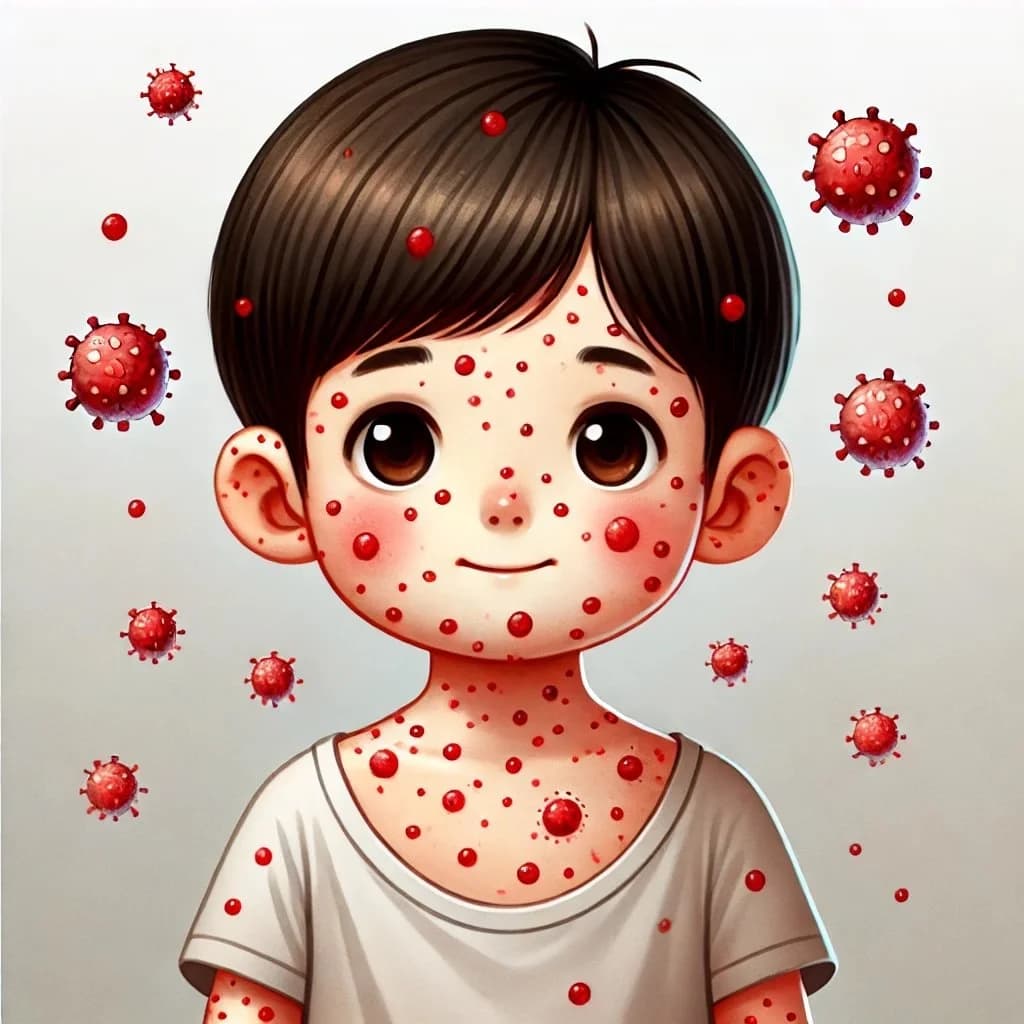
Chickenpox and shingles are two common viral conditions that are often misunderstood. Although they are caused by the same virus, they manifest in very different ways. In this article, we will explore the links between chickenpox and shingles, as well as the health implications.
Chickenpox: A Childhood Illness
Chickenpox is a highly contagious viral infection caused by the varicella-zoster virus (VZV). It primarily affects children and is characterised by the appearance of fluid-filled blisters on the skin, accompanied by itching. While chickenpox is generally mild in children, it can lead to more serious complications in adults, pregnant women, and immunocompromised individuals.
Transmission and Symptoms
The virus is transmitted mainly through saliva droplets expelled during coughing or sneezing, as well as through direct contact with skin lesions. The first symptoms usually appear between 10 and 21 days after exposure to the virus. These include fever, fatigue, headaches, and, of course, the characteristic skin rash.
The Characteristic Skin Rash
The chickenpox rash begins as small red spots, often first visible on the face, scalp, or trunk, before spreading to the rest of the body. These spots quickly evolve into papules (raised bumps) that turn into vesicles—small blisters filled with clear fluid. The vesicles are often surrounded by a reddish area. Over time, these blisters burst and form scabs. The process of lesion appearance occurs in waves, meaning that spots, vesicles, and scabs can be observed simultaneously on different parts of the body.
Prevention
Vaccination remains the most effective way to prevent chickenpox. In Quebec, the chickenpox vaccine is included in the children's vaccination schedule. It is recommended to vaccinate children starting at 12 months of age, with a second dose administered at 18 months.
Shingles: A Reactivation of the Virus
Shingles is a reactivation of the chickenpox virus, which remains dormant in the nerve ganglia after an initial infection. Years or even decades after having chickenpox, the virus can reactivate, causing shingles. This condition is more common in people over 50 years old or those whose immune system is weakened.
Symptoms and Complications
Shingles manifests as a painful skin rash, often localised on one side of the body. The vesicles generally follow the path of a nerve, creating a band of affected skin. The pain, which can be intense, often precedes the rash and can persist long after the skin has healed—a complication known as postherpetic neuralgia.
Prevention
There is a vaccine specifically designed to prevent shingles in adults aged 50 and older. It is recommended to reduce the risk of developing this condition and its complications.
Can You Get Shingles if You Never Had Visible Chickenpox?
Yes, it is possible to develop shingles even if you have been vaccinated against chickenpox and never had visible chickenpox. The vaccine introduces an attenuated form of the varicella-zoster virus (VZV) into your body, which can remain latent in the nerve ganglia. If this virus reactivates later, it can cause shingles. However, vaccinated individuals generally have a lower risk of developing shingles, and if it does occur, it is often less severe.
Why Understanding the Link Between Chickenpox and Shingles is Important?
Understanding that chickenpox and shingles are two manifestations of the same virus allows for better prevention and management of these conditions. Vaccination plays a key role in prevention, both for chickenpox in children and shingles in adults. Furthermore, increased knowledge of the symptoms can help lead to early diagnosis and treatment, thereby reducing the risk of complications.
This article aims to shed light on the links between chickenpox and shingles and offer practical advice for prevention and treatment. If you have questions or concerns regarding these conditions, do not hesitate to consult a healthcare professional. You can book an appointment on our website Allodocteur.ca for a medical consultation with a doctor.