
October 29, 2024 · 3 min
Helicobacter pylori: A Bacterium with Multiple Consequences
I am a family physician and medical director of French origin, having completed my studies and practiced in France before settling in Quebec.
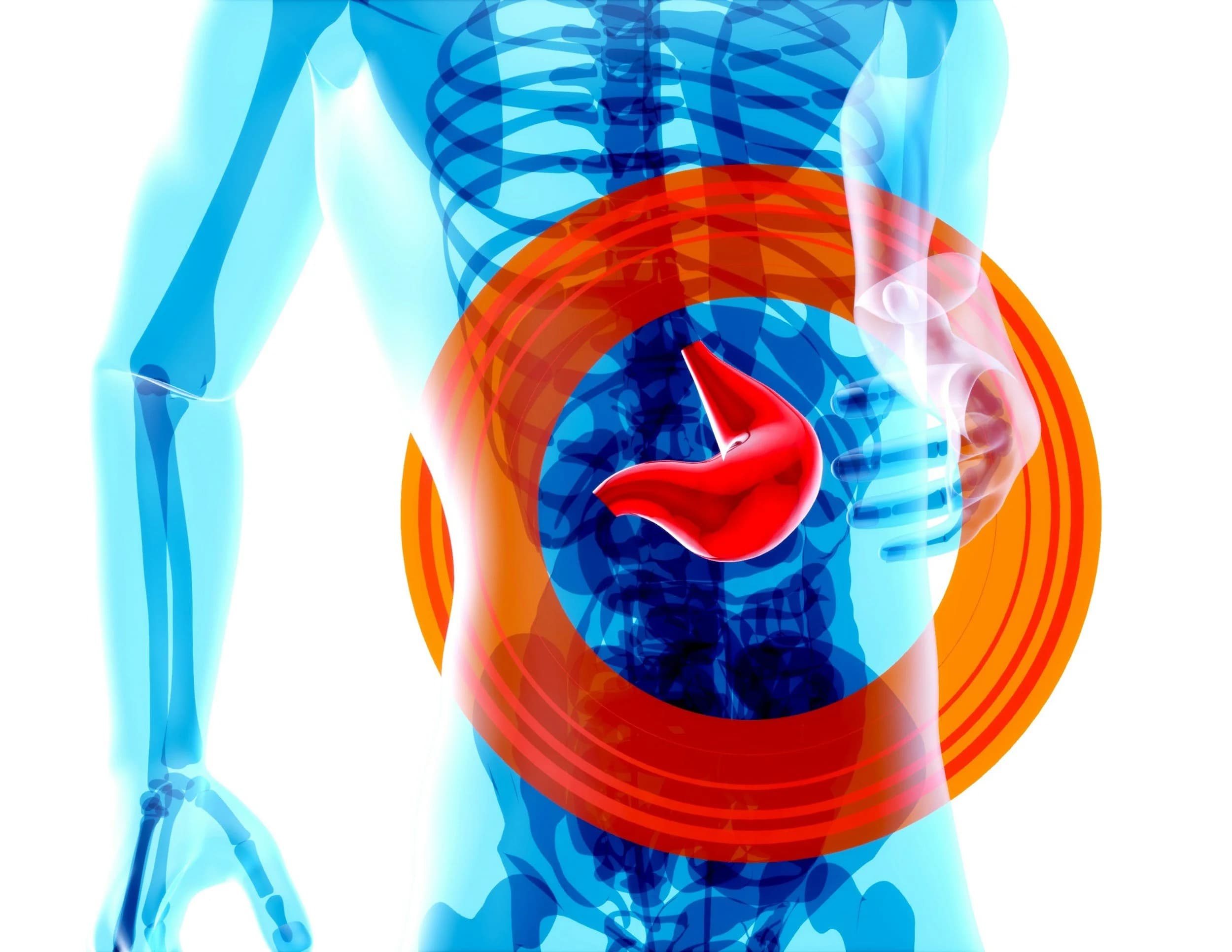
I am a family physician and medical director of French origin, having completed my studies and practiced in France before settling in Quebec. Today, I would like to talk to you about Helicobacter pylori, a bacterium that affects a large portion of the global population. Understanding this bacterium is crucial, both for patients and healthcare practitioners, in order to prevent and treat associated gastrointestinal diseases.
What is Helicobacter pylori?
Helicobacter pylori, often abbreviated as H. pylori, is a spiral-shaped bacterium that primarily colonizes the human stomach. Discovered in 1982 by Australian scientists Barry Marshall and Robin Warren, this bacterium is responsible for the majority of gastric and duodenal ulcers, as well as certain forms of chronic gastritis.
Transmission and Prevalence
The transmission of H. pylori occurs mainly via the oral route, often through contaminated food or water, or through direct contact with the saliva or vomit of an infected person. The prevalence of the infection varies considerably by region of the world, affecting approximately 50% of the global population. In developing countries, the infection is more common and is often contracted during childhood.
Symptoms and Complications
H. pylori infections are often asymptomatic. However, when symptoms appear, they may include:
• Abdominal pain or burning sensations
• Bloating
• Nausea and vomiting
• Loss of appetite
• Unintentional weight loss
Possible complications include peptic ulcers, chronic gastritis and, in the most severe cases, an increased risk of stomach cancer.
Diagnosis and Treatment
The diagnosis of H. pylori can be made using several methods:
• Breath tests: Measurement of expired urea after ingesting a solution containing labeled urea.
• Blood tests: Detection of specific antibodies (serology).
• Stool tests: Identification of H. pylori antigens in the stool.
• Gastric biopsy: Analysis of a tissue sample taken during an endoscopy.
The treatment of H. pylori infection generally relies on a combination of antibiotics to eradicate the bacterium and medications to reduce gastric acidity, thereby facilitating the healing of the stomach lining. Standard treatment often includes a triple or quadruple therapy regimen for 7 to 14 days.
Prevention
Preventing H. pylori infection can involve rigorous hygiene measures, such as:
• Washing hands regularly, especially after using the bathroom and before eating.
• Consuming potable water and well-cooked foods.
• Avoiding sharing kitchen utensils and toothbrushes.
Conclusion
Knowledge of H. pylori and its implications is essential for proper gastrointestinal health management. If you experience persistent symptoms of digestive disorders, it is crucial to consult a doctor for an appropriate diagnosis and tailored treatment. As a family physician and medical director, I am available to answer your questions and provide quality care.
Do not hesitate to book an appointment on our platform Allodocteur.ca for a home doctor visit or telemedicine. For any other information regarding digestive health, stay tuned for future posts on our blog.