
December 7, 2024 · 6 min
Understanding the Patient Journey in Quebec Emergency Rooms: Process, Wait Times, and Associated Costs
As a family physician and medical director who practiced in France before moving to Quebec, I have often noticed that newly arrived French citizens struggle to understand how emergency rooms work in Quebec.
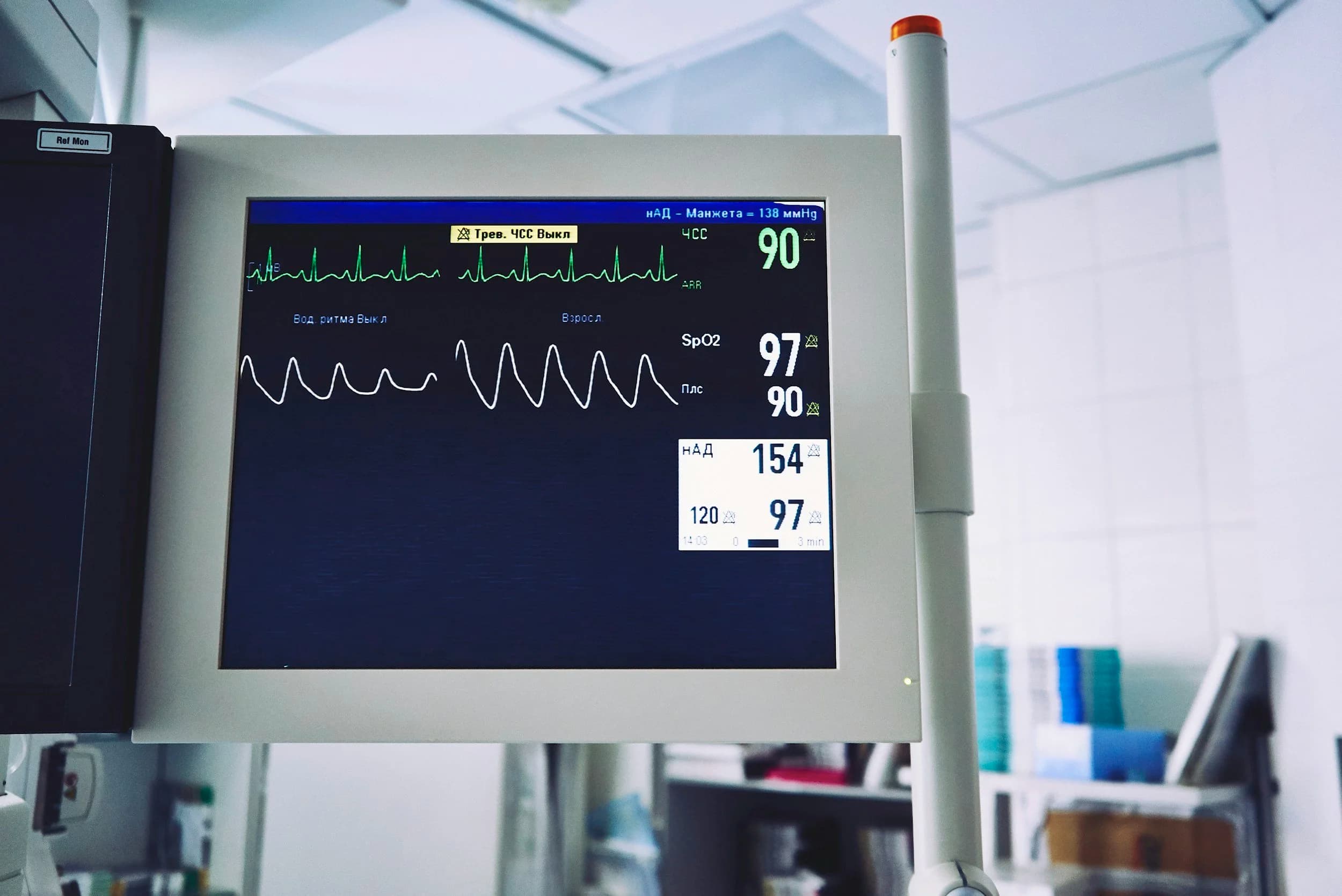
As a family physician and medical director who practiced in France before moving to Quebec, I have often noticed that newly arrived French citizens struggle to understand how emergency rooms work in Quebec. Here is a practical guide to better understanding the patient journey in this context, the reasons behind sometimes very long wait times, and the associated costs, particularly for those without coverage from the Régie de l’assurance maladie du Québec (RAMQ).
1. Arrival at the Emergency Room: Prioritization through Triage
When a patient arrives at the emergency room, the first step is an evaluation by a triage nurse. This step is crucial: it is not based on the order of arrival, but on the severity of the symptoms.
Quebec uses the Canadian Triage and Acuity Scale (CTAS) to classify patients into 5 levels:
• Level 1: Resuscitation (e.g., cardiac arrest) – immediate intervention.
• Level 2: Very Urgent (e.g., suspected myocardial infarction) – recommended wait time: less than 15 minutes.
• Level 3: Urgent (e.g., severe pneumonia) – recommended wait time: less than 30 minutes.
• Level 4: Less Urgent (e.g., moderate abdominal pain) – recommended wait time: less than 1 hour.
• Level 5: Non-Urgent (e.g., prescription renewals) – recommended wait time: less than 2 hours.
2. Being Prioritized Thanks to a Medical Referral
An important and often overlooked point: patients who arrive at the emergency room with a referral from another doctor (for example, after a medical consultation in a clinic or via telemedicine) are often better prioritized.
Indeed, a medical referral means that a healthcare professional has already assessed the situation and concluded that your case requires urgent management in a hospital setting. This prior assessment allows for:
• A reduction in time spent at triage.
• Faster access to care, as triage is also based on the information provided in the referral.
This is why it is often preferable to see a doctor before going to the emergency room, whenever possible.
3. The Role of Waiting: A Complex Issue
Wait times in Quebec emergency rooms can seem endless, especially for cases deemed non-urgent. Here are the main reasons for these delays:
• Lack of medical resources: emergency doctors and nurses often have to juggle critical cases with an overload of patients.
• Limited access to alternatives: many patients do not have a family physician or cannot obtain an appointment quickly in a clinic. Consequently, they turn to the emergency room.
• Regionalization of services: in less populated regions, resources are even more limited, which extends wait times.
4. A Typical Day at the Emergency Room
Here is what the journey often looks like for a patient deemed "less urgent":
-
Registration and Triage: upon arrival, a questionnaire about your symptoms is completed. A nurse evaluates your condition and assigns you a priority level.
-
Initial Wait: depending on your classification, the wait can range from a few minutes to several hours.
-
Medical Consultation: once called, you will be seen by a doctor who will perform a clinical exam and may order tests (blood tests, X-rays, etc.).
-
Results and Follow-up: waiting for results can also be long if the laboratories are congested.
-
Discharge or Hospitalization: depending on the diagnosis, you will either be sent home with recommendations or admitted for more intensive treatment.
5. Wait Times in Figures
In 2023, average wait times in Quebec emergency rooms reached peaks in certain regions:
• Level 4 or 5 Patients: 6 to 14 hours of waiting before seeing a doctor.
• Level 3 Patients: approximately 4 to 8 hours of waiting.
• Level 1 or 2 Patients: generally taken care of immediately.
6. Costs Associated with Emergency Room Visits
For residents covered by RAMQ:
• Care received in the emergency room is generally covered by RAMQ (Quebec health insurance). However, some services or medications may incur additional non-covered costs.
For people without RAMQ coverage:
• Cost of an emergency visit: Patients without Quebec health insurance must cover the consultation fees. For example, a visit to the emergency department can cost approximately $1,160 CAD, not including diagnostic tests or physician fees.
• Payment: Facilities may require payment before the consultation or bill for services afterward. It is recommended to check the policy of the specific facility.
7. Alternatives to the Emergency Room
For less serious cases, there are alternatives that can save you long hours of waiting:
• Guichet d’accès à la première ligne (GAP): available for patients without a family physician, although wait times to get an appointment can be long.
• Walk-in clinics: some clinics offer time slots for quick consultations, but spaces are limited.
• Private services: clinics like Allodocteur.ca offer same-day home doctor visits or telemedicine. This type of service can be useful for health problems that do not require a trip to the emergency room.
8. A Few Practical Tips
• Be prepared: if you must go to the emergency room, bring a list of your medications, your medical history, and a snack in case of a prolonged wait.
• Consult before going: if your symptoms are not severe, call your clinic, a telephone line (811), or explore private consultation options.
• Think prevention: having a family physician or regularly keeping up with your medical exams can prevent complications that require an emergency room visit.
Conclusion: Understanding and Adapting to the Quebec System
Emergency rooms in Quebec operate differently than those in France, with strict prioritization of serious cases. Although wait times are often frustrating, they reflect a healthcare system under pressure. Exploring available alternatives and better understanding how emergency rooms function can allow you to make informed choices for your health.
If you need a quick consultation for non-urgent cases, Allodocteur.ca offers solutions to avoid long waits and provide care in the comfort of your home.
You can:
• Book an appointment online directly on our site: Allodocteur.ca
• Call (438) 800-8810 to speak with a member of our team and organize your consultation.
We are here to make family medicine more accessible and faster, with home visits available even on the same day.