
December 11, 2024 · 4 min
Bronchitis: When to See a Doctor and How to Treat It Effectively?
I am a family physician and medical director, originally from France, who practiced in France before settling in Quebec. As a doctor, I notice
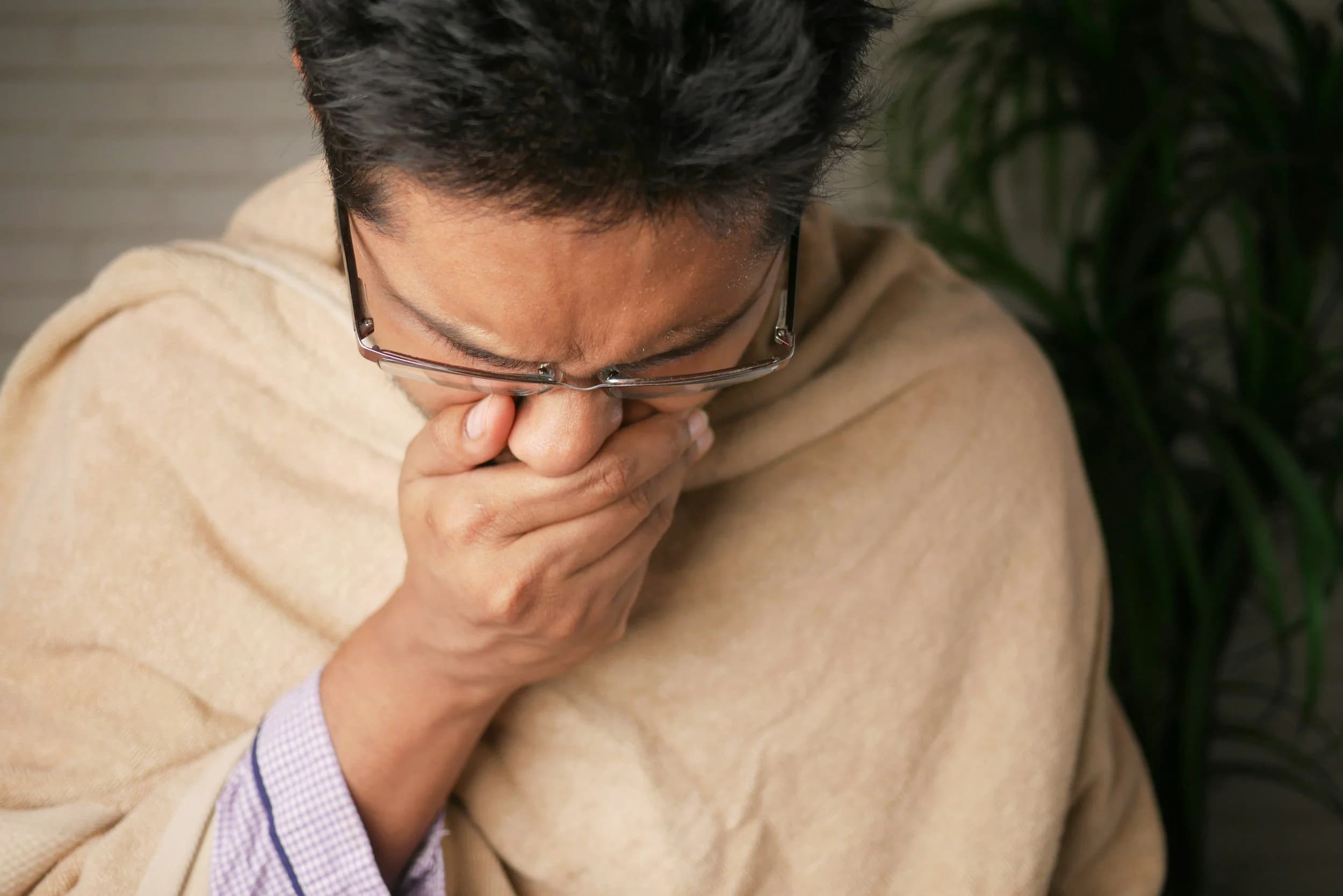
I am a family physician and medical director, originally from France, who practiced in France before settling in Quebec. As a doctor, I notice that bronchitis is a common respiratory condition, especially during the cold seasons. However, many people wonder when it is necessary to see a doctor, if antibiotics are needed, and what the most appropriate treatments are. This article guides you through the differences between viral and bacterial bronchitis and helps you understand when medical care is essential.
What is Bronchitis?
Bronchitis is an inflammation of the bronchial tubes, the airways that carry air to the lungs. It can be:
• Acute: often caused by a viral infection, it generally occurs after a cold or the flu.
• Chronic: linked to irritating factors such as tobacco or pollution, it is part of chronic obstructive pulmonary diseases (COPD).
The acute form is the most common and is characterized by a persistent cough that can last for several weeks.
What are the Symptoms of Bronchitis?
Symptoms vary depending on the severity of the bronchitis:
• A productive cough (with clear, yellow, or greenish sputum).
• A feeling of discomfort or pain in the chest.
• Increased fatigue.
• A slight fever (sometimes).
• Difficulty breathing in more severe cases.
These symptoms can resemble those of a cold or the flu, but a cough that persists beyond 10 days should be a warning sign.
Viral or Bacterial Bronchitis: When are Antibiotics Needed?
It is crucial to differentiate between viral bronchitis and bacterial bronchitis to avoid unnecessary antibiotic treatments.
Viral Bronchitis: The Most Common Cause
In the vast majority of cases, acute bronchitis is caused by a virus (flu, rhinovirus, coronavirus, etc.). Antibiotics are useless in this case because they do not treat viral infections.
Signs suggestive of viral bronchitis:
• Persistent cough with clear or slightly yellowish sputum.
• Slight fever or absence of fever.
• Fatigue and general discomfort.
• No signs of respiratory distress.
Treatment:
• Rest, hydration and, if necessary, antitussives to relieve the cough.
• Antipyretics (such as acetaminophen) in case of fever.
Symptoms generally disappear within 7 to 10 days, although the cough can last up to three weeks.
Bacterial Bronchitis: A Rarer Case
Bacterial bronchitis occurs less frequently but can develop in the event of a bacterial superinfection, particularly in at-risk individuals (advanced age, COPD, immunodeficiency, smokers).
Signs suggestive of bacterial bronchitis:
• Persistent high fever (> 38.5 °C).
• Thick, greenish, or purulent sputum.
• Marked shortness of breath or respiratory distress.
• Intense chest pain.
• Symptoms that worsen or persist after 10 days.
In these situations, a medical consultation is essential to evaluate the need for antibiotic treatment.
When to See a Doctor?
It is important to consult if:
-
Symptoms persist or worsen after two weeks.
-
You have difficulty breathing, significant chest pain, or a persistent high fever.
-
You have a medical history (COPD, asthma, immunodeficiency) or are an elderly person.
-
Your cough is accompanied by blood in the sputum.
Consultations can be done in person, as auscultation is essential to evaluate the severity of the infection. At Allodocteur.ca, we recommend an in-person consultation for any moderate to severe symptoms, particularly in the case of bronchitis.
Treatment of Bronchitis
Acute Viral Bronchitis
• Rest and hydration.
• Antitussives or expectorants to relieve symptoms.
• Antipyretics in case of fever.
Bacterial Bronchitis
• Antibiotics: prescribed only if a bacterial infection is confirmed or suspected.
• Complementary symptomatic treatment: hydration, bronchodilators if necessary.
Prevention: How to Avoid Bronchitis?
• Wash your hands frequently to limit the transmission of viruses.
• Get vaccinated against the flu and consider the pneumonia vaccine if recommended by your doctor.
• Avoid respiratory irritants such as tobacco and smoke.
• Protect yourself in winter with a scarf covering the mouth and nose to reduce exposure to cold air.
What Allodocteur.ca Offers
At Allodocteur.ca, we understand that bronchitis can be a source of concern. We offer home doctor visits or clinic consultations to evaluate your symptoms and determine the appropriate treatment.
Our goal: to save you from long waits and offer you same-day appointments, as is done in France.
Conclusion
Bronchitis, although often benign, sometimes requires adapted management, especially in case of complications or for vulnerable people. Do not wait to see a doctor if your symptoms persist or worsen.
Take care of your health and find our services on Allodocteur.ca for accessible and rapid medical care.
**To make an appointment, call (438) 800-8810 or visit **Allodocteur.ca.