
August 5, 2024 · 4 min
Understanding Melanoma: Screening, Treatment and Prevention
As a family physician and medical director of French origin, having completed my schooling and practiced in France before settling in Quebec
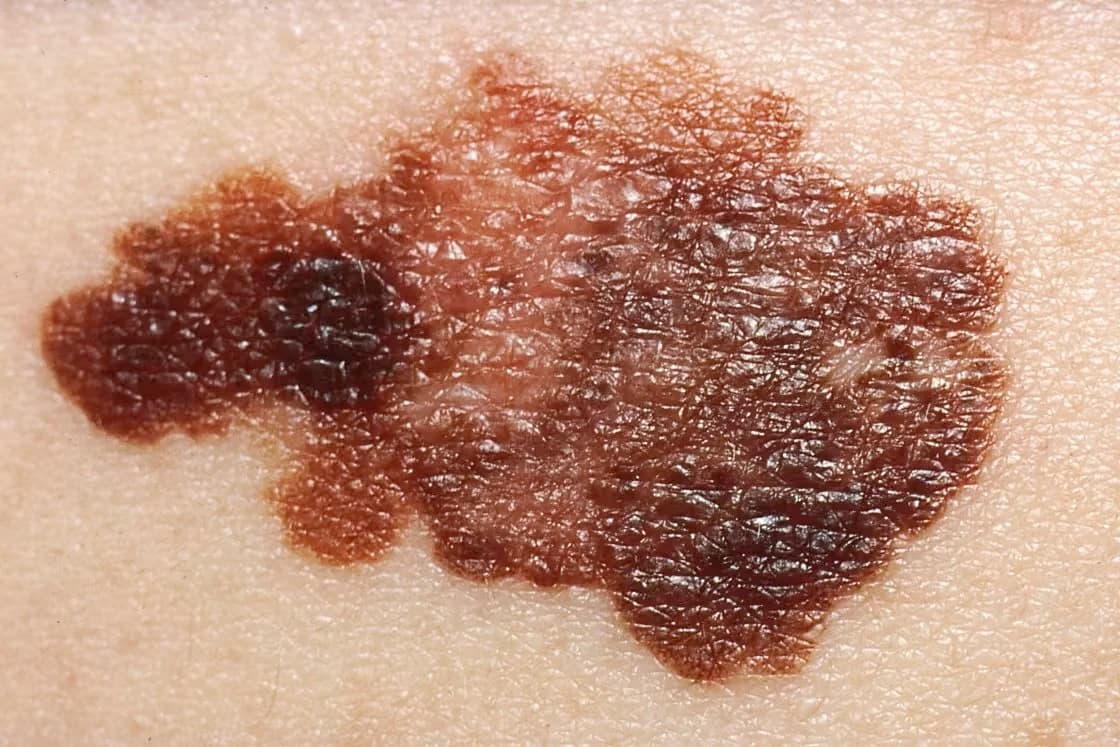
As a family physician and medical director of French origin, having completed my schooling and practiced in France before settling in Quebec, I wish to share essential information about melanoma, a type of skin cancer that can be extremely dangerous if not detected and treated in time. This article aims to raise awareness about the warning signs, treatment options, and prevention methods for melanoma, helping everyone better understand this disease and take the necessary steps to protect themselves.
What is Melanoma?
Melanoma is a form of skin cancer that develops in the pigment-producing cells called melanocytes. Although melanoma is less common than other types of skin cancer, it is much more dangerous because it tends to spread rapidly to other parts of the body.
Signs and Symptoms
Early screening for melanoma is crucial for effective treatment. Warning signs include:
• A new spot on the skin or a change in an existing spot: This may include changes in colour, shape, or size.
• A spot that does not look like others: Often referred to as "the ugly duckling."
• Skin lesions with irregular borders: Edges that are uneven, notched, or poorly defined.
• Colour variations: The presence of several shades of brown, black, blue, red, or white.
• Increasing diameter: Melanomas are generally larger than 6 mm, although they may be smaller at the start.
• Evolution: Any change in a spot on the skin, including bleeding, itching, or the formation of a crust.
The ABCDEs of Suspicious Lesions
To help patients monitor their own skin lesions, it is important to become familiar with the ABCDE system, which helps identify potentially dangerous signs:
• Asymmetry (A): One half of the spot does not match the other half.
• Border irregularity (B): The edges are uneven, notched, or poorly defined, and it is difficult to trace the outline of the lesion.
• Colour heterogeneity (C): The lesion presents two or more colours, such as brown, black, blue, red, or white.
• Diameter (D): The lesion is generally larger than 6 mm, although it may be smaller at the start.
• Evolution (E): Any change in the spot, including size, shape, colour, or symptoms such as bleeding or itching.
Diagnosis and Treatment
When melanoma is suspected, a skin biopsy is generally performed to confirm the diagnosis. If melanoma is confirmed, treatment will depend on the depth and extent of the tumour. Treatment options include:
• Surgery: To remove the melanoma and a margin of healthy skin around it.
• Immunotherapy: Uses the body's immune system to fight cancer cells.
• Targeted therapy: Uses medications that target specific mutations in cancer cells.
• Radiotherapy: Uses high-energy X-rays to destroy cancer cells.
• Chemotherapy: Uses medications to kill cancer cells.
Prevention
Melanoma prevention primarily involves protecting the skin from harmful UV rays. Here are some tips:
• Use a broad-spectrum sunscreen: With an SPF of 30 or higher, even on cloudy days.
• Avoid peak sunlight hours: Between 10 a.m. and 4 p.m.
• Wear protective clothing: Such as wide-brimmed hats, sunglasses, and covering clothes.
• Avoid tanning beds: Artificial UV rays increase the risk of melanoma.
• Regularly monitor your skin: To quickly detect any new spots or changes.
Conclusion
Melanoma is a serious disease but can be effectively treated if detected at an early stage. By remaining vigilant about skin changes and adopting protective measures against UV rays, everyone can reduce their risk of developing melanoma. For any concerns or for a skin exam, do not hesitate to consult your doctor.
For more information or to book an appointment, visit our site allodocteur.ca. We also offer home consultations in Montreal starting at $279, depending on the complexity and location of the consultation.