
August 1, 2024 · 3 min
Understanding Lentigo: Causes, Symptoms, and Treatments
I am a family physician and medical director of French origin, having completed my studies and practiced in France before settling in Quebec.
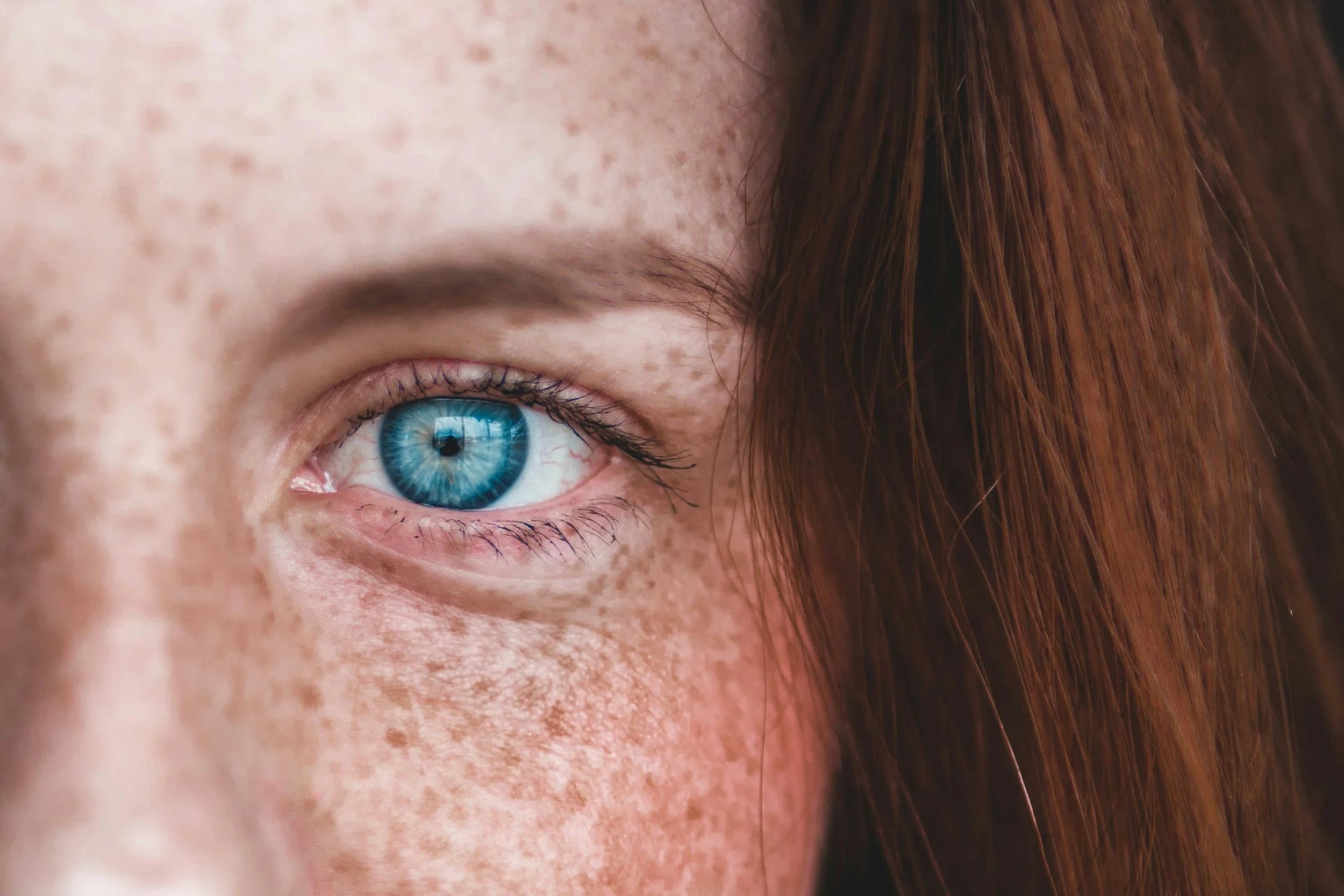
I am a family physician and medical director of French origin, having completed my studies and practiced in France before settling in Quebec. Today, we are going to address a common but often misunderstood dermatological topic: lentigo, also known as lentigines. These pigmented spots can be a source of concern, but they are generally benign. Let's look together at what lentigo is, its causes, its symptoms, and the available treatment options.
What is Lentigo?
Lentigo, or lentigines in the plural, manifests as pigmented spots on the skin, usually brown or black in colour. These spots result from a localized increase in melanin, the pigment responsible for skin colouration. There are several types of lentigines, including:
• Solar lentigo: Appears following prolonged exposure to the sun.
• Simple lentigo: Present from birth or appearing early in childhood, unrelated to sun exposure.
• Senile lentigo: Occurs in elderly people, often on areas exposed to the sun.
Causes of Lentigo
Lentigines can have various origins. The main causes include:
• Sun exposure: Ultraviolet (UV) rays from the sun stimulate melanin production, leading to the formation of solar lentigines.
• Ageing: With age, the skin becomes more susceptible to developing lentigines, particularly senile lentigines.
• Genetic predisposition: Some people are genetically predisposed to develop simple lentigines.
Symptoms of Lentigo
Lentigines generally appear as small flat spots, oval or round in shape, and light brown to black in colour. They can vary in size, from a few millimetres to several centimetres in diameter. Unlike freckles (ephelides), lentigines do not fade in winter and do not necessarily darken with sun exposure.
Diagnosis and Treatment
The diagnosis of lentigo is generally clinical, based on a visual examination of the skin. In some cases, a biopsy may be performed to rule out other conditions, such as melanoma.
Treatment Options
Although lentigines are benign and do not require medical treatment, some people wish to have them removed for aesthetic reasons. Here are some treatment options:
• Cryotherapy: Use of liquid nitrogen to freeze and destroy the pigmented spots.
• Laser: Use of specific lasers to target and destroy pigmented cells.
• Chemical peels: Application of acids to the skin to exfoliate superficial layers and fade the spots.
• Depigmenting creams: Use of topical products containing depigmenting agents to lighten the spots.
Prevention
The best prevention against lentigines is sun protection. Here are some tips to reduce the risk of developing lentigines:
• Use a broad-spectrum sunscreen with an SPF of 30 or higher, even on cloudy days.
• Wear protective clothing, such as wide-brimmed hats and long sleeves.
• Avoid excessive sun exposure, especially between 10 a.m. and 4 p.m., when UV rays are most intense.
Conclusion
Lentigo is a common and generally benign condition that can be effectively managed with preventive measures and appropriate treatments. If you have concerns regarding pigmented spots on your skin, it is always recommended to consult a dermatologist for an accurate diagnosis and advice tailored to your situation.
For more information on skin care and available treatment options, feel free to book an appointment on our website allodocteur.ca.