
July 17, 2024 · 4 min
Family Physicians vs Nurse Practitioners (NPs): What is the Difference?
As a family physician and medical director of French origin, having completed my studies and practiced in France before settling in Quebec
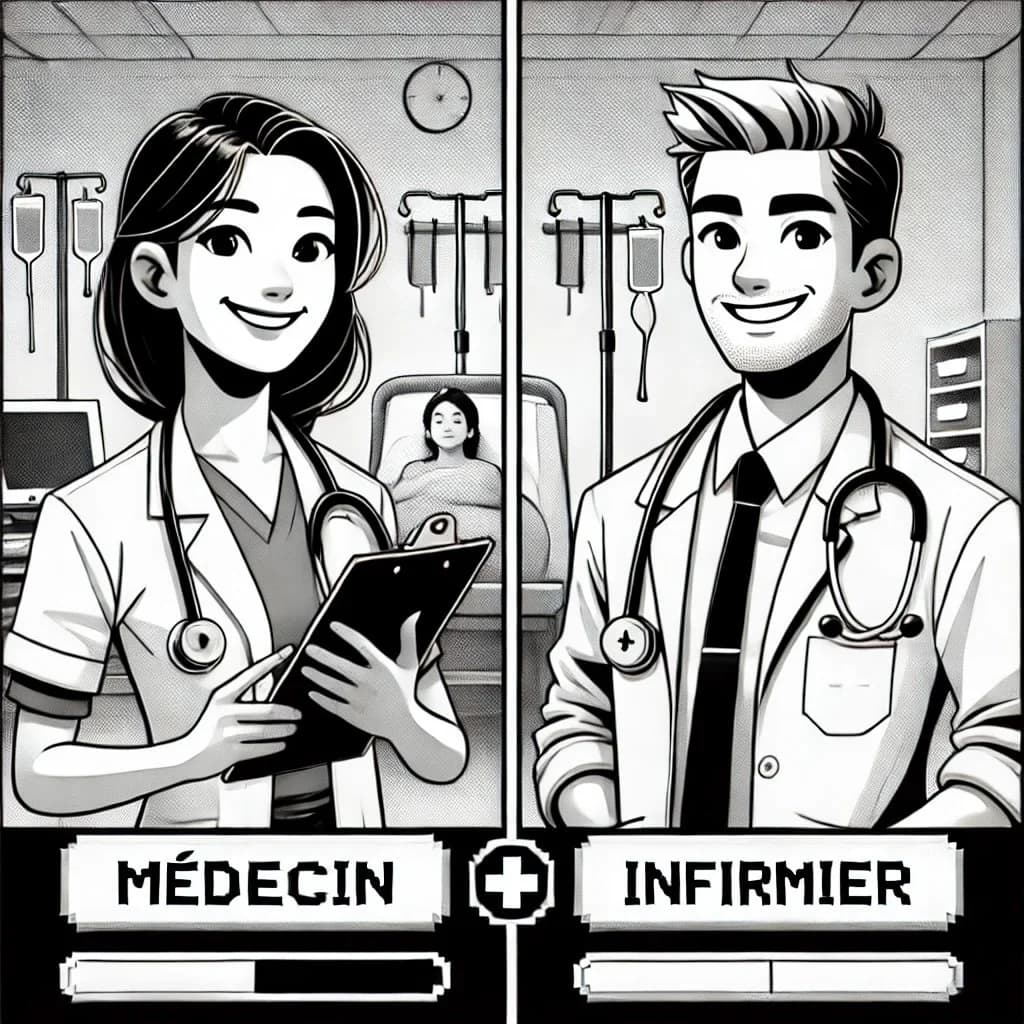
As a family physician and medical director of French origin, having completed my studies and practiced in France before settling in Quebec, I have been able to observe the differences and complementarities between family physicians and nurse practitioners (NPs). This post aims to clarify the distinct and essential roles these two healthcare professionals play within the Quebec healthcare system.
Family Physicians: The Pillars of Primary Healthcare
Family physicians are often the first point of contact for patients. Their role is broad and includes:
-
Diagnosis and treatment: They evaluate symptoms, make diagnoses, prescribe medications, and plan treatments.
-
Chronic disease follow-up: They manage conditions such as diabetes, hypertension, and asthma, ensuring regular follow-up.
-
Prevention and screening: They perform preventive exams, vaccinations, and early screening to detect diseases early.
-
Referrals to specialists: When necessary, they refer patients to specialists for more specific care.
Nurse Practitioners (NPs): A Growing and Complementary Role
NPs are nurses who have undergone advanced training and hold a master's degree in nursing sciences. Their role is expanding rapidly in Quebec and includes:
-
Assessment and diagnosis: NPs can perform clinical assessments, make diagnoses, and develop treatment plans.
-
Prescriptions: They are authorized to prescribe medications, including controlled substances under certain conditions.
-
Chronic care management: Like family physicians, NPs manage chronic diseases, providing regular follow-up.
-
Health promotion: They play a crucial role in patient education regarding disease prevention and healthy lifestyles.
-
Professional autonomy: NPs can work autonomously or in collaboration with physicians, depending on the patients' needs and the structure of the care team.
Expertise and Management of Complex Health Issues
It is important to note that while highly competent, NPs may have less depth of expertise, particularly in complex situations involving multiple health problems. In these cases, the intervention of a family physician or a specialist is often necessary to ensure optimal management.
Specialization in Mental Health
It is also crucial to understand that primary care NPs (NP PC) do not have the mental health expertise required to treat complex psychological conditions. Conversely, NPs specializing in mental health (NP MH) do not have the same expertise for treating physical conditions. Consequently, a single family physician can treat both physical and mental problems, whereas patients might need to consult two different NPs to cover these two complementary aspects of their health.
Complementarity and Collaboration
The collaborative care model between family physicians and NPs offers many advantages for patients:
• Increased access to care: The presence of NPs in clinics and health centres helps reduce waiting times and improve access to medical care.
• Personalized follow-up: Patients benefit from more comprehensive follow-up thanks to the combination of physicians' clinical skills and the continuous care expertise of NPs.
• Education and prevention: Collaboration allows for better patient education regarding their health and more effective disease prevention.
However, it is important to emphasize that NPs are not substitutes for family physicians. Family physicians remain essential for the global and integrated management of patients, particularly in complex cases or when in-depth expertise is required.
Conclusion
Family physicians and nurse practitioners play distinct but complementary roles in the Quebec healthcare system. Their collaboration makes it possible to offer more comprehensive and accessible medical care, better meeting the needs of the population. As a patient, it is important to understand these roles to better navigate the healthcare system and receive the best possible care.
Please note: We only offer consultations with physicians at this time.
For any questions or to book an appointment, feel free to visit our website allodocteur.ca.
This article highlights the respective roles of family physicians and NPs, while emphasizing the importance of their collaboration, particularly in complex cases involving multiple health issues and the need to consult different NPs for physical and mental problems. It also specifies that NPs are not substitutes for family physicians and that we currently only offer consultations with physicians.