
December 25, 2024 · 3 min
Typical vs. Atypical Pneumonia: Understanding the Differences
As a family physician and medical director of French origin, having practiced in France before settling in Quebec, I often find that the term
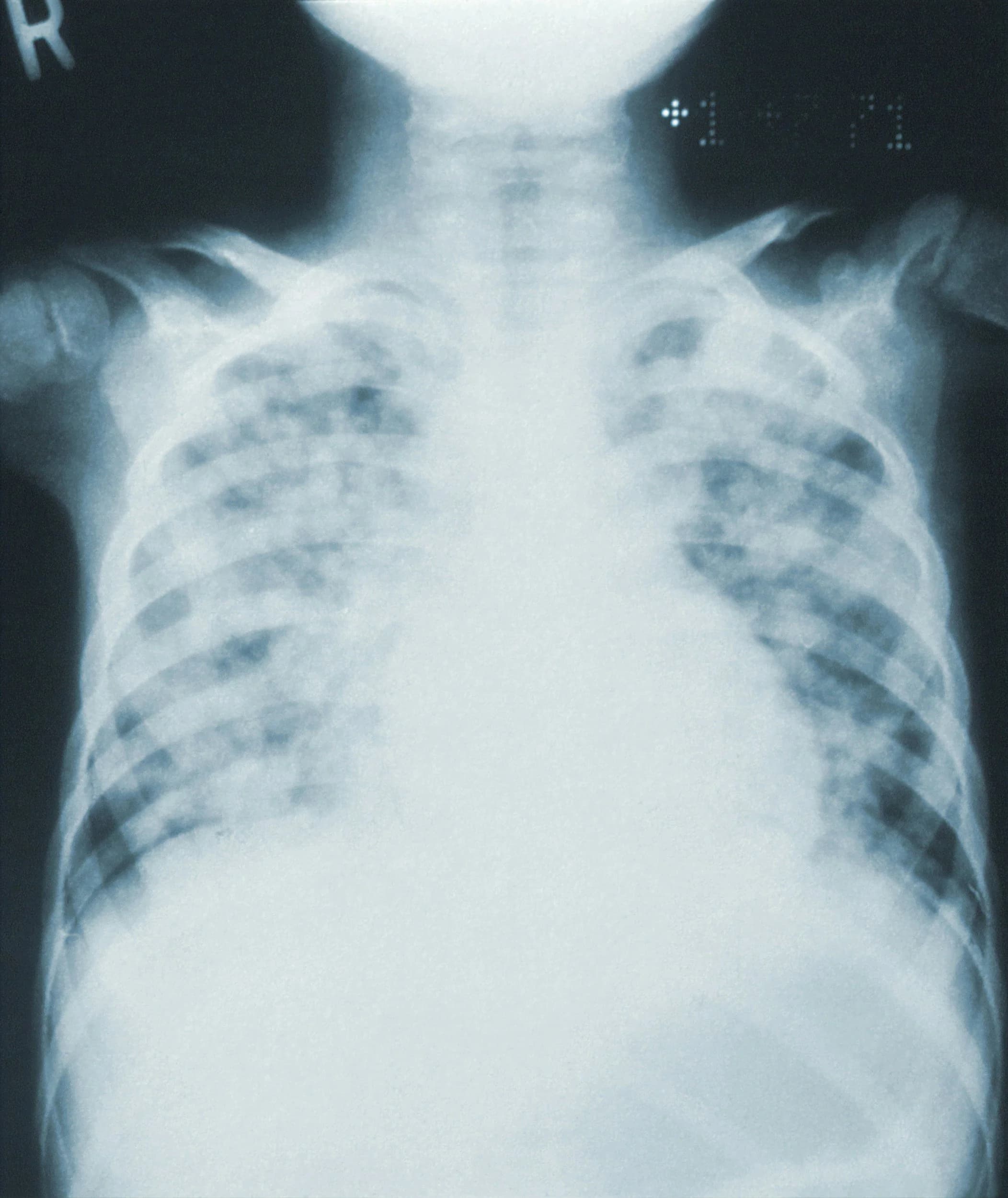
As a family physician and medical director of French origin, having practiced in France before settling in Quebec, I often find that the term "pneumonia" is associated with one single disease in the minds of patients. However, there are two main types of pneumonia: typical and atypical, which differ in their clinical presentation as well as their origin and management. This article aims to help you understand these differences to better comprehend your diagnosis and treatment.
What is Pneumonia?
Pneumonia is an infection that affects the lungs, specifically the pulmonary alveoli. It causes various symptoms, such as coughing, fever, chest pain, and difficulty breathing. Depending on the nature of the pathogen and clinical characteristics, two main forms of pneumonia are distinguished:
-
Typical pneumonia: often caused by bacteria such as Streptococcus pneumoniae.
-
Atypical pneumonia: caused by less conventional pathogens such as mycoplasmas, legionella, or chlamydias.
Typical Pneumonia: Main Characteristics
• Infectious agent: Typical pneumonias are generally due to bacteria such as Streptococcus pneumoniae (pneumococcus), Haemophilus influenzae, or Staphylococcus aureus.
• Symptoms:
• High and sudden fever.
• Productive cough with yellowish or greenish sputum.
• Localized chest pain, often worsened by coughing or deep breathing.
• Significant shortness of breath.
• Upon auscultation: Characteristic sounds such as crackles or sometimes a pleural rub, often localized in a very specific area of the lung.
• Diagnosis:
• A chest X-ray reveals a well-defined opacity in one or more lobes.
• Microbiological tests (culture or urinary antigen) help identify the pathogen.
• Treatment: Classic antibiotics, such as amoxicillin or combined treatment for severe infections.
Atypical Pneumonia: A Different Presentation
• Infectious agent: Atypical pneumonias are caused by microorganisms such as:
• Mycoplasma pneumoniae (especially in young adults).
• Legionella pneumophila (linked to contaminated aquatic environments).
• Chlamydia pneumoniae.
• Symptoms:
• Moderate fever, sometimes insidious.
• Dry, non-productive cough.
• Marked fatigue, headaches, and sometimes muscle or joint pain.
• Little to no chest pain.
• Upon auscultation: Often non-specific or even normal. One may note a decrease in breath sounds or diffuse crackles, but these signs are less marked than in typical pneumonia.
• Diagnosis:
• The X-ray shows diffuse or poorly defined infiltrates.
• Specific blood tests (PCR, serology) help identify the responsible agents.
• Treatment: Appropriate antibiotics, such as macrolides (azithromycin) or fluoroquinolones.
How to Differentiate Between the Two Forms?
When to Consult a Doctor?
It is important to consult quickly if you experience any of the following symptoms:
• Persistent or very high fever.
• Significant shortness of breath.
• Intense chest pain.
• Worsening fatigue.
An accurate diagnosis is essential to differentiate typical pneumonia from atypical pneumonia, as the treatment must be adapted to the causal agent.
Conclusion
The distinction between typical and atypical pneumonia is based on clinical differences, radiological findings, and auscultation signs. Although their management often requires antibiotics, the choice of treatment depends on the responsible agent and the individual characteristics of the patient.
At Allodocteur.ca, we are committed to making family medicine more accessible and faster. If you need to see a doctor for a respiratory infection, book an appointment online at allodocteur.ca or call us at (438) 800-8810. We offer same-day home consultations to treat you in a comfortable and safe setting.