
September 25, 2024 · 3 min
Respiratory Syncytial Virus (RSV): Understanding and Prevention
As a family physician and medical director of French origin who completed my studies and practiced in France before settling in Quebec,
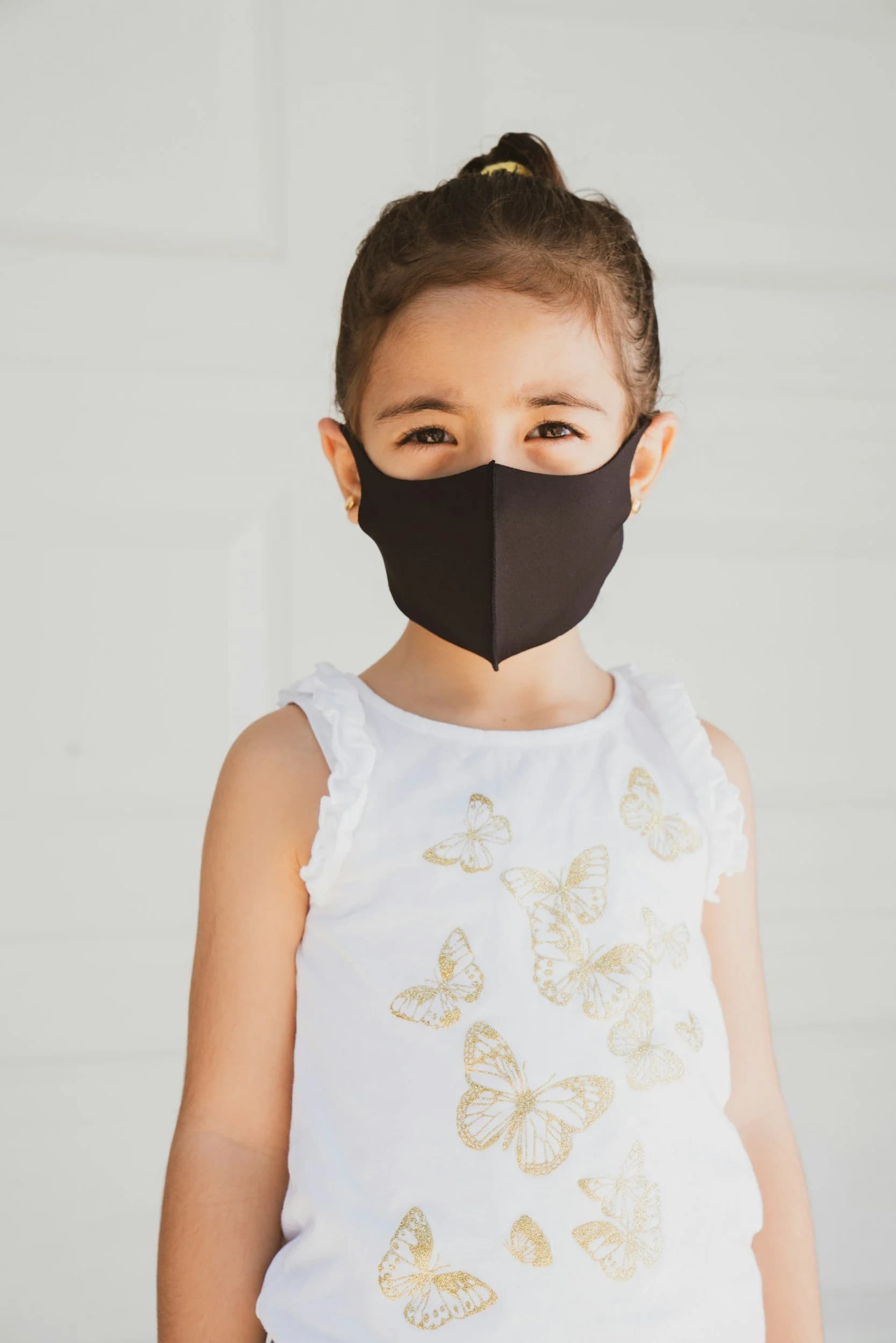
As a family physician and medical director of French origin who completed my studies and practiced in France before settling in Quebec, I wish to share essential information about Respiratory Syncytial Virus (RSV). This virus, often overlooked, is nonetheless a major cause of respiratory infections in children and adults. This article aims to highlight the differences between the French and Quebec healthcare systems in managing this infection and to provide practical advice for prevention and treatment.
What is RSV?
Respiratory Syncytial Virus (RSV) is a common virus that infects the airways. It is particularly dangerous for infants and young children, but can also affect the elderly and those with weakened immune systems. RSV is one of the leading causes of bronchiolitis and pneumonia in children under 1 year of age.
RSV Symptoms
RSV symptoms often resemble those of a common cold:
• Nasal congestion
• Cough
• Mild fever
• Sore throat
• Fatigue
In young children and infants, symptoms can be more severe and may include breathing difficulties, rapid or labored breathing, and wheezing.
RSV Transmission
RSV spreads easily from person to person through:
• Respiratory droplets when someone coughs or sneezes
• Direct contact with an infected person
• Contact with surfaces contaminated by the virus
Prevention
To reduce the risk of contracting or transmitting RSV, here are a few tips:
• Wash your hands frequently with soap and water.
• Avoid touching your face, especially your eyes, nose, and mouth.
• Regularly clean and disinfect commonly touched surfaces.
• Avoid close contact with sick people.
• Limit outings and social contacts for infants, especially during the cold season.
Treatment
There is no specific treatment for RSV, but supportive care is essential to help patients manage symptoms:
• Ensure that the child or sick person drinks enough fluids to avoid dehydration.
• Use a humidifier to help relieve nasal congestion.
• Administer medication to reduce fever, such as acetaminophen or ibuprofen, following your doctor's recommendations.
Differences between France and Quebec
In France, the management of RSV infections is well-structured with rapid access to pediatricians and infectious disease specialists. In Quebec, although medical care is also of high quality, there may be waiting times to consult a specialist. Home doctor consultations, such as those offered by our platform Allodocteur.ca, can provide practical and fast alternatives for concerned parents.
Conclusion
The prevention and management of RSV require particular vigilance, especially in young children and vulnerable people. As parents and caregivers, it is essential to know the signs and the measures to take to protect your loved ones. For any questions or concerns regarding RSV, do not hesitate to consult a healthcare professional.
For home doctor consultations or telemedicine, visit Allodocteur.ca.