
September 10, 2024 · 4 min
Renal Colic: Understanding, Preventing, and Treating
I am a family physician and medical director of French origin, having completed my schooling and practiced in France before settling in Quebec. My goal is to help my patients navigate the differences between the French and Quebec healthcare systems while providing reliable and useful medical information.
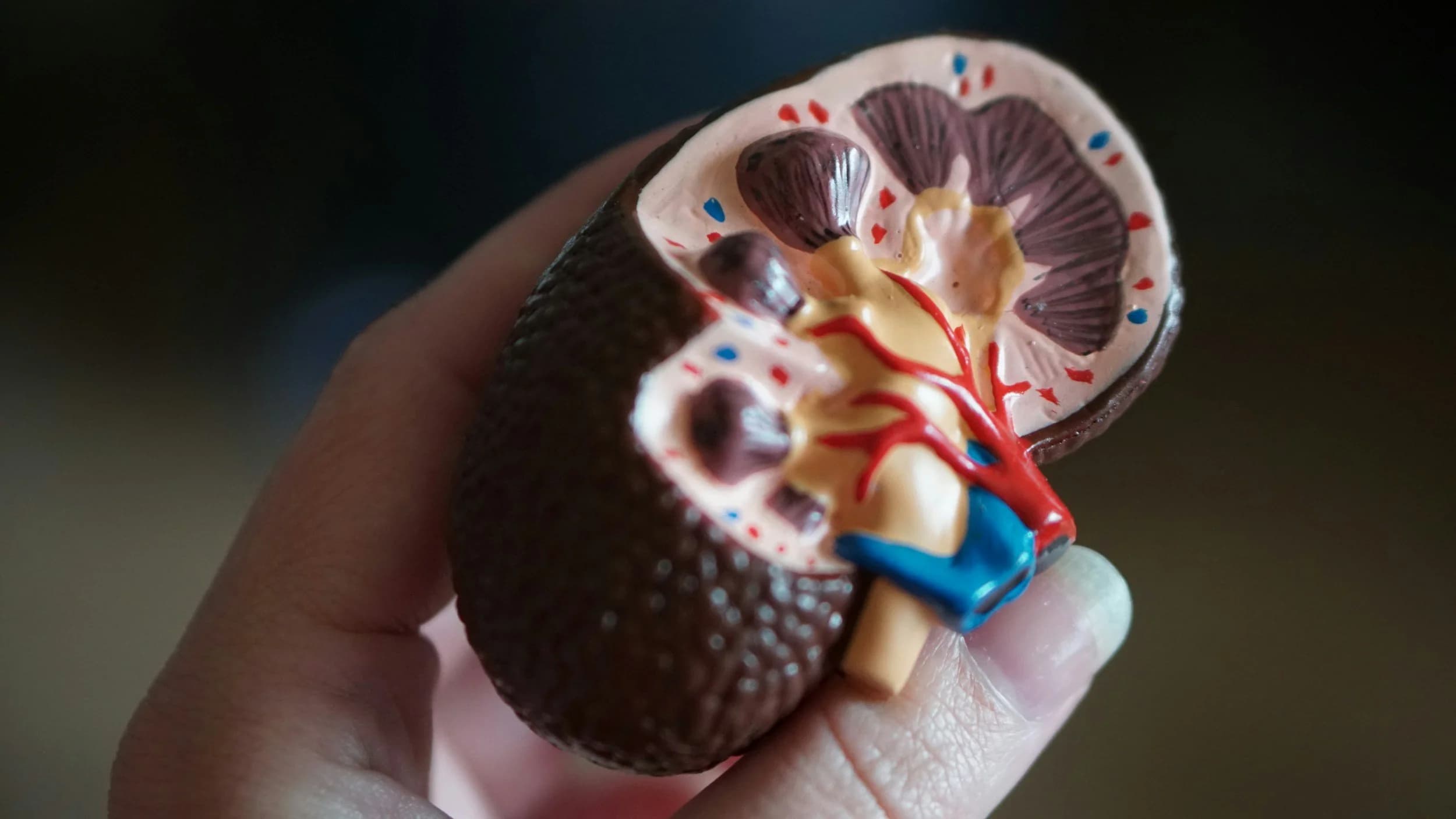
I am a family physician and medical director of French origin, having completed my schooling and practiced in France before settling in Quebec. My goal is to help my patients navigate the differences between the French and Quebec healthcare systems while providing reliable and useful medical information. Today, we are going to address a painful and often worrying topic: renal colic.
What is renal colic?
Renal colic is an intense acute pain caused by the presence of a kidney stone blocking the passage of urine in the urinary tract. This obstruction leads to an increase in pressure within the kidney, causing pain that is often described as one of the most intense sensations one can experience.
Symptoms of renal colic
Typical symptoms include:
• Intense pain: Generally located in the lower back or side, it can radiate toward the abdomen, groin, or genitals. No position seems to provide relief.
• Nausea and vomiting: Often caused by the intense pain.
• Hematuria: Presence of blood in the urine, making it appear pink or red.
• Urinary frequency and urgency: A frequent urge to urinate, sometimes accompanied by pain during urination.
Causes and risk factors
The main causes of kidney stone formation include:
• Dehydration: Low fluid intake can concentrate minerals in the urine, promoting stone formation.
• Diet: A diet high in animal proteins, sodium, and sugar can increase the risk.
• Genetic predisposition: Family history of kidney stones.
• Certain medical conditions: For example, hyperparathyroidism, recurrent urinary tract infections, and certain metabolic diseases.
Causes of non-lithiasic obstructions
Aside from kidney stones, other causes can provoke obstructions in the urinary tract and lead to pain similar to renal colic:
• Tumours: Tumours in or around the urinary tract can block the flow of urine.
• Anatomical anomalies: Congenital or acquired malformations of the urinary tract can cause obstructions.
• Trauma: Kidney trauma can lead to a blockage of the urinary tract.
• Urological problems: Conditions such as ureteral strictures can obstruct the passage of urine.
• Vascular diseases: Conditions such as renal vein thrombosis or renal artery aneurysm can cause intense kidney pain.
• Pyeloureteral junction syndrome: This condition is caused by a congenital obstruction at the junction of the kidney and the ureter.
Prevention
To prevent the formation of kidney stones, it is recommended to:
• Drink plenty of water: At least 2 to 3 litres per day to keep urine diluted.
• Adopt a balanced diet: Limit foods high in oxalates (spinach, chocolate, tea), and reduce the consumption of sodium and animal proteins.
• Avoid sugary drinks: Sodas and other sweetened beverages can increase the risk of kidney stones.
Treatment
The treatment for renal colic depends on the size and location of the stone, as well as the severity of the symptoms:
• Medication: Non-steroidal anti-inflammatory drugs (NSAIDs) are often used to relieve pain. Alpha-blocker medications can help relax the muscles of the urinary tract, facilitating the passage of the stone.
• Hydration: Adequate hydration is crucial to help expel the stone.
• Surgical interventions: In the case of larger stones, minimally invasive or percutaneous surgery may be considered to remove the stone: extracorporeal shock wave lithotripsy (a technique using shock waves to fragment the stone), ureteroscopy, or the placement of a double J stent (a device that keeps the urinary tract open and facilitates the passage of urine).
When to consult?
It is important to consult a doctor if you experience intense pain, have blood in your urine, or show signs of infection (fever, chills). A prompt medical consultation helps avoid complications and ensures appropriate treatment.
Renal colic is a painful condition but manageable with proper care. If you have a history of kidney stones or are experiencing symptoms, do not hesitate to consult for an evaluation and personalized advice. You can book an appointment with Allodocteur.ca for home consultations.