
January 15, 2025 · 5 min
The Public Healthcare System in Quebec: Understanding How It Works
The Quebec public healthcare system, while efficient and universal, can seem complex to many people, especially those who are not familiar with its organization.
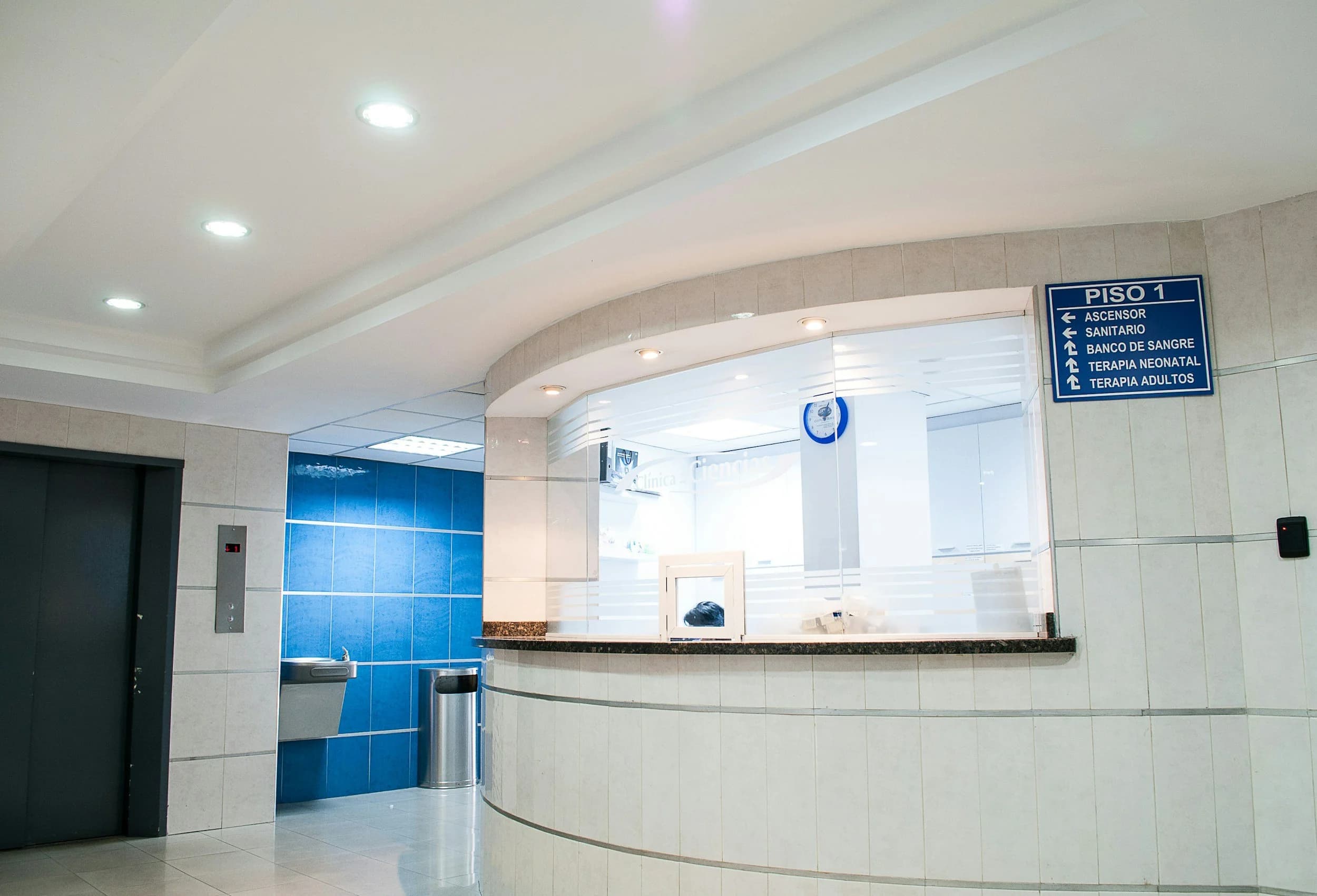
The Quebec public healthcare system, while efficient and universal, can seem complex to many people, especially those who are not familiar with its organization. Here is a guide to better understand how it works, particularly regarding Santé Québec, the Quebec health and social services agency, the CIUSSS, and other involved stakeholders.
1. The Public Healthcare System: Universal Access
In Quebec, access to medical care is universal and funded through taxes. Every resident of Quebec is covered by the Régie de l’assurance maladie du Québec (RAMQ), which provides free access to a wide range of medical and hospital services. However, wait times for appointments or accessing certain cares remain a significant challenge.
2. Santé Québec: A New Entity to Coordinate the Public Network
Recently created as part of the healthcare system reform led by the Minister of Health, Santé Québec is the body responsible for the operational management of health care and services in the province.
• Led by Ms. Geneviève Biron, Santé Québec is tasked with supervising all CISSS and CIUSSS in Quebec.
• Main role: to ensure a more uniform and efficient delivery of services across the province. Unlike the Ministry of Health and Social Services, which focuses on policies and strategic directions, Santé Québec directly manages field operations.
Santé Québec therefore acts as the "conductor" for the CISSS and CIUSSS, ensuring that care is offered optimally and that resources are well distributed.
3. CIUSSS and CISSS: Regional Care Management
The Centres intégrés universitaires de santé et de services sociaux (CIUSSS) and the Centres intégrés de santé et de services sociaux (CISSS) are the regional pillars of the healthcare system.
• Regional organization: there are 34 CIUSSS and CISSS, each responsible for a specific region.
• Main missions:
• Provide hospital care.
• Ensure mental health, public health, and rehabilitation services.
• Coordinate services for seniors (CHSLD), children, and vulnerable people.
These establishments now report to Santé Québec, which aims to improve fluidity and the distribution of resources throughout the network.
4. CLSC: Local Services
The Centres locaux de services communautaires (CLSC) are direct access points for medical care and social services.
• Role: offer basic medical consultations, nursing care, psychosocial services, and prevention programs.
• Particularity: they are often the first point of contact for non-urgent care.
However, CLSCs cannot meet all needs, and this is often where delays or referrals to other establishments occur.
5. Medical Clinics and GMFs: Alternatives to CLSC
To reduce congestion in emergency rooms and CLSCs, Family Medicine Groups (GMF) play a central role.
• Family Medicine Groups (GMF) are not managed directly by the CISSS or CIUSSS, but they collaborate with them as part of their role in the Quebec healthcare system.
• Organization: a GMF brings together several family physicians and health professionals (nurses, social workers, etc.) to provide primary care.
• Advantage: patients with a doctor in a GMF have access to comprehensive management.
• Disadvantage: GMFs are often full, forcing some patients to turn to walk-in clinics or private medicine.
6. Challenges of the Public System
Despite its advantages, the Quebec healthcare system presents notable challenges:
• Accessibility: wait times for an appointment with a family physician or a specialist are often long.
• Doctor shortage: approximately 20% of the population does not have a family physician.
• Emergency room congestion: emergency rooms are often used for non-urgent care due to the lack of available alternatives.
7. Initiatives to Improve Access
Quebec has introduced initiatives to improve access to care, such as:
• The Guichet d’accès à la première ligne (GAP): to help patients without a family physician access health services.
• Super-clinics: they offer rapid walk-in consultations for minor needs.
• Private clinics: although not covered by RAMQ, they offer a solution for faster care, particularly through home doctor services or telemedicine.
8. Conclusion: Adapting to the Quebec System
The Quebec public healthcare system is based on values of equity and universality, but navigating between the different structures can be difficult. To bypass these challenges, patients sometimes turn to solutions such as private clinics.
Allodocteur.ca is a private home doctor service outside of RAMQ that offers a fast and accessible alternative.
Our clinic provides faster and more accessible medical care at home, with same-day availability, without having to wait months to see a doctor.
Consultations can be booked as appointments directly on our site: www.allodocteur.ca.
This service allows for a rapid response to patient needs. By better understanding the roles of Santé Québec, CIUSSS, CLSC, and GMF, you will be better equipped to take advantage of the services available in the public system, while knowing where to look for alternatives when necessary.