
February 12, 2025 · 4 min
How the Quebec Public System Relies on the Private Sector to Improve Access to Care
In Quebec, the public healthcare system is centralized and funded by the Régie de l’assurance maladie du Québec (RAMQ). However, it does not operate in a vacuum...
In Quebec, the public healthcare system is centralized and funded by the Régie de l’assurance maladie du Québec (RAMQ), which is the Quebec health insurance. However, it does not operate in a vacuum: it relies heavily on collaborations with private sector players to meet growing care needs. This includes Family Medicine Groups (GMF), private clinics where doctors are remunerated by RAMQ, and even surgeries delegated to the private sector. Here is an overview of the mechanisms in place and the implications for patients.
Family Medicine Groups (GMF): Hybrid Clinics
GMFs are a prime example of this public-private collaboration. These structures bring together family physicians and other healthcare professionals (nurses, social workers, etc.) to offer accessible and continuous care.
How are they funded?
Doctors working in a GMF are paid fee-for-service or via a mixed model by RAMQ. Although the funding is public, these clinics are often established in private premises. These facilities, often led by investors, are managed as independent businesses. This situation creates an interface between public funding and private management, where operating costs (rent, salaries of non-medical employees, etc.) are covered by the owners or managers of the premises.
The objective of GMFs
These clinics aim to reduce congestion in emergency rooms by offering primary care and local medical follow-up. They demonstrate a hybrid approach: management is private, but services are funded by public funds.
Private Clinics Affiliated with RAMQ
Some private clinics host doctors registered with RAMQ, allowing patients to benefit from consultations at no cost, which are billed directly to the public system.
How does it work?
The doctors practicing there work as independent professionals and bill their medical acts to RAMQ. However, only the medical consultation is covered by the public regime. This means that the owners of these clinics must personally assume the costs related to the operation of the establishment, such as staff salaries (receptionists, nurses, technicians), rent, and other operational costs.
Benefits for the public system
This increases the supply of care in regions or sectors where public establishments are insufficient to meet demand.
Surgeries Delegated to the Private Sector
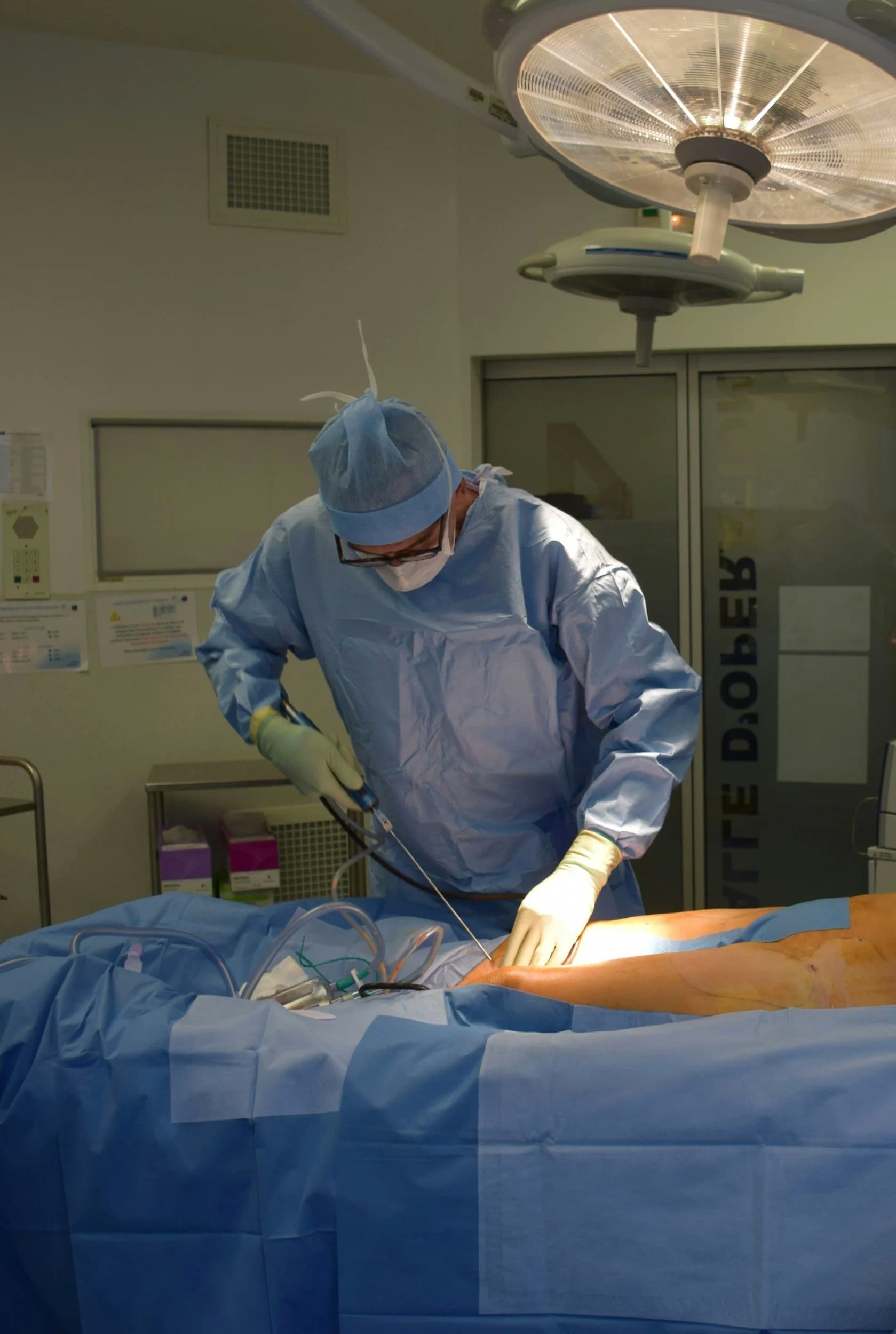
Faced with long waiting lists for surgeries in public hospitals, the Quebec government has established agreements with private surgical clinics.
Why this strategy?
Private clinics often have excess capacity that can be used to reduce delays for certain elective surgeries, such as hip or knee replacements or ophthalmological surgeries.
Funding for surgeries
The government pays private establishments directly for each surgery performed, thus allowing patients to benefit from a faster intervention without additional costs.
A recent example
The COVID-19 pandemic exacerbated delays in public hospitals, which pushed the government to expand agreements with the private sector for surgeries and diagnostic care, such as medical imaging.
Challenges and Criticisms
While this public-private collaboration improves access to care, it also raises questions:
Equity
Some fear that these agreements widen inequalities by creating differentiated access based on the resources available in different regions.
Cost
Recourse to the private sector can sometimes prove more costly than investments in the public system.
Impact on human resources
By allowing doctors and professionals to work in private clinics funded by RAMQ, the public system risks amplifying staff shortages in public establishments.
Conclusion
The use of the private sector by the Quebec public system has become an essential tool to address accessibility and capacity challenges. Whether through GMFs, affiliated clinics, or agreements for surgeries, this collaboration offers valuable flexibility. However, to avoid imbalances, it is crucial to invest in long-term planning and maintain a balance between these two spheres to ensure equitable access to care for all.
At Allodocteur.ca, we understand these challenges and are working to make family medicine more accessible, notably through rapid home visits, similar to the model in France. Our goal is to meet patient needs while supporting initiatives aimed at decongesting the public system. Book an appointment with us online at Allodocteur.ca for a consultation within 24 hours.