
July 28, 2024 · 4 min
Different Methods of Contraception: A Guide to Choosing the One That Suits You Best
As a physician and medical director of French origin, having completed my studies and practiced in France before settling in Quebec. Today...
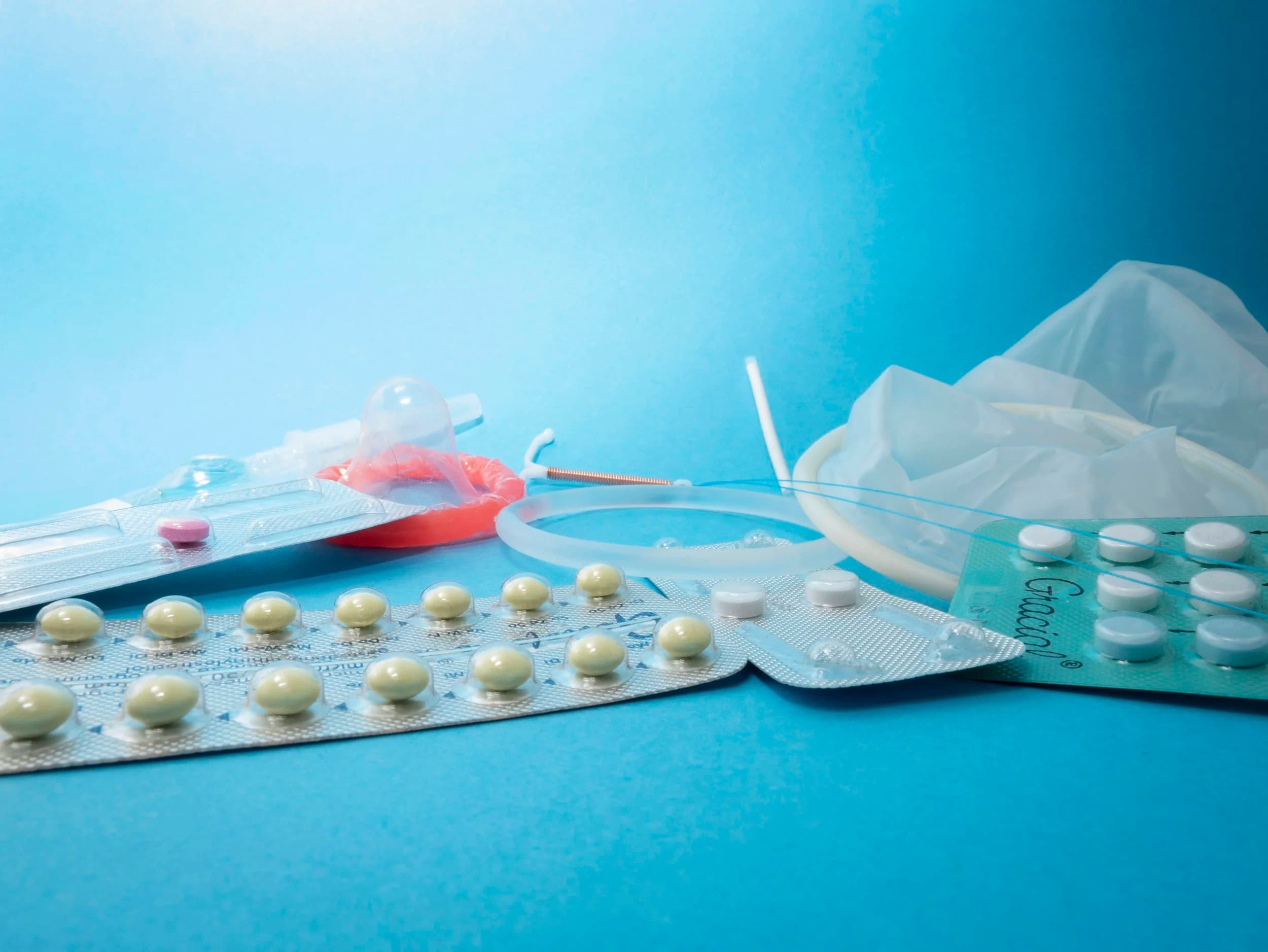
As a physician and medical director of French origin, having completed my studies and practiced in France before settling in Quebec. Today, we will explore the different contraception options available to help you choose the one that best meets your needs. We will also highlight the differences between combined hormonal contraceptives (estrogen-progestogen) and progestogen-only contraceptives.
Hormonal Contraception
1. Combined Hormonal Contraceptives (Estrogen-Progestogen)
• Combined Oral Contraceptive Pill:
• Examples: Alesse, Yaz, Nextstellis etc…
• This pill contains two hormones, estrogen and progestogen, which work together to prevent ovulation. It also regulates the menstrual cycle and can reduce symptoms of premenstrual syndrome (PMS). It must be taken daily. Generally, there is a period of 4 to 7 days of placebo pills, during which no hormones are ingested. This break causes withdrawal bleeding, which is the body's reaction to the sudden drop in hormone levels.
• Combined Hormonal Patch:
• Examples: Evra
• This patch is applied to the skin and releases estrogen and progestogen hormones that prevent ovulation. It must be replaced every week for three weeks, followed by a one-week break without a patch. This seven-day break causes withdrawal bleeding similar to that of the pill.
• Combined Vaginal Ring:
• Examples: NuvaRing
• A flexible ring inserted into the vagina that releases estrogen and progestogen hormones over a period of three weeks. It is removed for a one-week break during menstruation, which causes withdrawal bleeding.
2. Progestogen-Only Contraceptives
• Progestogen-Only Pill (Mini-pill):
• Examples: Slynd, Jencycla
• Containing only progestogen, this pill is often prescribed to women who cannot take estrogen. It thickens the cervical mucus to prevent sperm from entering the uterus and prevents ovulation. It must be taken daily, and at regular times.
• Progestogen Contraceptive Implant:
• Examples: Nexplanon
• A small rod inserted under the skin of the arm that releases progestogen over a period of three years, preventing ovulation and altering cervical mucus to avoid pregnancy.
• Progestogen Contraceptive Injection:
• Examples: Depo-Provera
• A progestogen injection that provides contraceptive protection for three months.
• Hormonal Intrauterine Device (IUD) (Progestogen):
• Examples: Mirena, Kyleena
• This device releases progestogen to prevent pregnancy. It acts primarily by thickening the cervical mucus to prevent sperm from entering the uterus and by thinning the uterine lining. It may also reduce the risk of ovulation. Its effectiveness generally lasts 3 to 5 years.
Barrier Contraception
-
Male and Female Condoms: Condoms are the only methods of contraception that also protect against sexually transmitted infections (STIs).
-
Diaphragms and Cervical Caps: These devices are placed inside the vagina before sexual intercourse to cover the cervix and prevent sperm from passing through.
Intrauterine Contraception
- Copper Intrauterine Device (IUD):
• Examples: Paragard, Mona Lisa, Nova T, TCu 380A
• A small T-shaped device inserted into the uterus by a healthcare professional. It prevents fertilization and can last between 5 and 10 years.
Emergency Contraception
-
The Morning-After Pill or Plan B: To be taken within 72 hours following unprotected sexual intercourse, this pill helps prevent an unwanted pregnancy. The sooner it is taken, the more effective it is. You can obtain the morning-after pill or Plan B directly from a pharmacy without a prescription.
-
Copper IUD as Emergency Contraception: Can be inserted up to five days after unprotected sexual intercourse to prevent pregnancy.
Other Methods
-
The Calendar Method (Fixed Days Method): Based on tracking the menstrual cycle to avoid the most fertile days. However, this method is risky, particularly for women with irregular cycles, as it is difficult to accurately predict fertile days.
-
Sterilization: A permanent method of contraception, which can be performed for men (vasectomy) or women (tubal ligation).
Conclusion
It is essential to choose the contraceptive method that best fits your lifestyle and medical needs. If you have questions or wish to discuss your contraception options, do not hesitate to consult us at AlloDocteur.ca. We offer home doctor consultations in Montreal starting from $279, depending on the complexity and location of the consultation. You can book an appointment directly on our website.
Take care of yourself and your reproductive health with the help of qualified professionals.
For more information and to schedule a consultation, visit AlloDocteur.ca.